

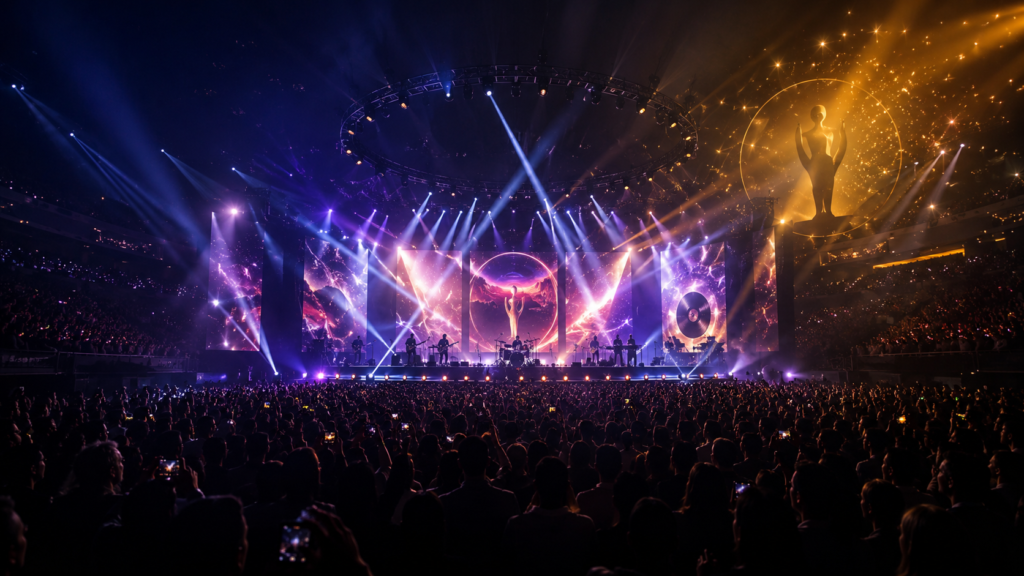
The music industry in 2026 is moving at a pace that few predicted. Concert tours are selling out at record speed, new album releases are flooding streaming platforms from the start of the year, and awards ceremonies like the Grammys are generating headlines well beyond their broadcast night. These three forces together are defining what the global music conversation looks like right now.
Fans are playing a bigger role than ever before. Social media activity, streaming numbers, and real-time fan engagement are influencing which artists get attention, which records chart, and which tours get extended. The relationship between artists and their audiences has shifted from passive listening to active participation.
For the music industry as a whole, this shift matters because it changes how revenue is built, how artists plan their careers, and how record labels approach promotion. Understanding these music trends is useful not just for industry professionals but for anyone who follows music closely.
The music industry rarely stands still, but 2026 has brought a pace of change that feels different from recent years. Across genres and continents, the forces shaping what people listen to, talk about, and spend money on are becoming clearer. Concert tours are larger than ever, new albums are arriving in waves, and awards seasons continue to generate cultural conversation long after the trophies are handed out.
The Music Release Cycle Is Moving Faster Than Ever
One of the clearest music trends of 2026 is how tightly artists are coordinating their album releases with their touring calendars. Release strategy is no longer just about dropping music and hoping for the best. Albums are now planned months or even a year, with tours locked in to follow.

Industry professionals have noted that early-year releases give artists the time they need to build audience familiarity before summer touring begins. When fans already know every word of an album, live performances become a shared experience rather than a simple concert. This alignment between music release and live performance has become one of the most important strategies in modern artist management.
The volume of releases has also increased. Multiple major artists are dropping albums within weeks of each other, creating a competitive but energized music environment. Fans are finding themselves choosing between concerts and planning purchase decisions months in advance.
Concert Tours Are Now Bigger Than Album Campaigns
Live music has become the financial engine of the modern music industry. Global live music revenue is projected to surpass $35 billion in 2026, a figure that reflects how central the touring experience has become to both artist income and fan culture.
The numbers behind recent tours underline this shift. Taylor Swift’s Eras Tour, which concluded in 2024, generated over $2 billion across 149 shows, a figure that redefined what a concert tour is capable of achieving. Coldplay has been building what is now the second-highest-grossing tour in history across more than 200 shows, demonstrating that consistency and sustainability can match the scale of any single spectacle.
In 2026, the live music calendar is packed. Bad Bunny’s world tour in support of his Grammy-winning album continues across multiple continents. Ariana Grande is returning to live performance after seven years away. BTS, whose reunion has been one of the most anticipated events in global pop, announced both a new album and a world tour with North American dates beginning in April. Ed Sheeran’s Loop Tour is making stops across North America through the summer. Rosalía is taking her critically acclaimed album Lux to 43 shows worldwide. Zach Bryan is headlining stadiums. Hayley Williams is embarking on her first-ever solo tour.
The scale and variety of these tours reflects a music industry where live experience is not just supplementary. For many artists, the tour is the main event.
New Albums Are Still Shaping the Fan Conversation
Despite the dominance of streaming and the constant flow of singles, albums still matter. They remain the foundation on which tours are built, award nominations are based, and long-term artist narratives are formed.
The 68th Grammy Awards, held on February 1, 2026, demonstrated this clearly. Bad Bunny’s album became the first Spanish-language record to win Album of the Year, a milestone that reflected both the global expansion of Latin music and the growing influence of non-English language artists in mainstream industry conversations. Kendrick Lamar won Record of the Year for “Luther” featuring SZA, continuing a dominant run that has made him the most-awarded hip-hop artist in Grammy history. Olivia Dean won Best New Artist, a recognition tied directly to the success of her album The Art of Loving.
Each of these wins generated streaming spikes, renewed media attention, and tour demand. The album remains the anchor around which the broader music conversation forms.
Awards Season Keeps Artists in the Cultural Spotlight
Awards ceremonies do more than distribute trophies. They create moments of shared cultural attention that cut across genre audiences and reach people who may not follow music news on a regular basis.
The 2026 Grammy Awards were notable for a range of reasons. Historic wins created genuine news. Performances introduced artists to new audiences. Social media responses generated conversations that continued for days after the ceremony. Bad Bunny, who also headlined the Super Bowl halftime show shortly after his Grammy wins, experienced a level of cross-platform visibility that few artists achieve simultaneously.
For record labels and management teams, awards season represents one of the highest-value promotional windows of the year. A nomination or a win generates earned media that no advertising budget can replicate. Artists who enter awards cycles with strong album releases benefit from a compounding effect where each recognition feeds the next.
Artist Comebacks and Collaborations Add More Momentum
The 2026 music calendar has also been defined by significant returns. Artists who stepped away from live performance or recording are coming back, and their returns are generating outsized attention.
Ariana Grande’s return to the stage after seven years is among the most anticipated live music moments of the year. Bon Jovi returned to touring following Jon Bon Jovi’s recovery and the release of their album Forever. Geddy Lee and Alex Lifeson reunited for Rush’s 50th anniversary shows, honoring the legacy of their late bandmate Neil Peart. Gorillaz returned with arena shows across the United States and Europe.
Collaborations have also added momentum to the music conversation. Cross-genre partnerships have been a consistent part of recent award-winning records, and artists are increasingly finding that working with musicians outside their usual genre expands both their audience and their critical reception.
Why Fans Are Now Driving the Music Conversation
Fan behavior has become one of the most powerful forces shaping music trends. Streaming activity determines chart positions. Social media posts influence tour routing decisions. Fan-organized listening events can push an album back into the charts weeks after release. The audience is no longer passive.
Platforms that allow fans to engage directly with artists, vote in polls, and share moments from concerts have made the music experience more participatory. Artists who understand this relationship and build genuine connections with their audiences tend to benefit most when album cycles and tours align.
The competitive market for concert tickets has also intensified fan engagement. When shows sell out quickly, the cultural weight of attending becomes greater. Fans who secure tickets often become active promoters of the event through their own social media presence.
What This Shift Means for the Music Industry Going Forward
The convergence of touring, album releases, and awards recognition has created a music industry where timing and coordination matter more than ever. Artists, labels, and managers are thinking in longer cycles, planning how a single project can generate sustained attention across multiple platforms and revenue streams.
For new and independent artists, the landscape is more competitive but also more accessible. Independent market share in recorded music has grown significantly in recent years, and distribution tools that were once only available through major labels are now within reach of self-releasing artists.
For the global music conversation, the current moment reflects a genuine broadening of what mainstream success looks like. Spanish-language albums win Album of the Year. Artists from Latin America, the United Kingdom, South Korea, and beyond are competing at the highest commercial and critical levels. The music trends of 2026 are not shaped by one region or one genre. They are the product of a genuinely global fan base making its preferences known.
How the Music Industry Is Being Reshaped by These Trends
Artists benefit directly from the combination of tour momentum, album attention, and award recognition. A Grammy win or nomination creates an immediate increase in streaming numbers and ticket sales. When these moments align with an active tour, the financial and cultural impact compounds.
Record labels are using major live moments as promotional anchors. Award nominations are timed to streaming campaigns. Album releases are coordinated with tour announcements. The promotional cycle has become more integrated, with each element designed to support the others.
Fans are influencing which artists get extended tours, which songs become setlist staples, and which albums receive the streaming volume needed to generate chart impact. Social platforms have made this influence measurable in real time.
Live music has also become central to how artists build their brands. A concert is not just a performance. It is a visual identity, a merch opportunity, a social media event, and a community experience. Artists who invest in their live shows tend to build deeper, longer-lasting fan relationships. In a music industry where catalog value and long-term fan loyalty are increasingly important, the live experience is a foundational part of how artists establish themselves.
What Readers Should Know
- Music trends in 2026 are being shaped by a combination of touring, album releases, and awards recognition working together rather than independently.
- Global live music revenue is projected to surpass $35 billion in 2026, reflecting how central the concert experience has become to both artists and fans.
- The 68th Grammy Awards produced historic firsts, including the first Spanish-language Album of the Year winner, signaling the continued global expansion of the music industry.
- Fan engagement through streaming, social media, and in-person attendance is now one of the primary forces that determines which artists and records receive sustained attention.
- Independent artists are claiming a larger share of the recorded music market, with expanded access to distribution and promotion tools that were previously available only through major labels.
Frequently Asked Questions
Q1. Why are music trends changing so quickly in 2026?
Several forces are moving at the same time. Streaming platforms update charts frequently, social media amplifies moments instantly, and artists are releasing music and planning tours on tighter timelines. The result is a music conversation that moves faster than it did even five years ago.
Q2. Why have concert tours become so important to the music industry?
Live music is now one of the largest revenue streams available to artists. Streaming pays at low per-play rates, but a sold-out tour generates significant income. Beyond revenue, tours build fan loyalty in ways that digital platforms cannot fully replicate.
Q3. Do albums still matter when fans can stream individual songs?
Yes. Albums remain the foundation of award nominations, tour themes, and long-term artist narratives. Many of the most commercially successful tours of recent years have been built directly around specific album releases.
Q4. How do music awards affect an artist’s popularity?
Awards generate media coverage, streaming spikes, and renewed public attention. A nomination or win during an active album cycle can extend the commercial life of a record by months. The social media reaction to award ceremonies also introduces winning artists to audiences who may not have encountered them before.
Q5. Why do fans have so much influence over music trends?
Fans control streaming numbers, which drive chart positions. They share content that determines which moments go viral. They buy tickets that determine which tours get extended. In the current music landscape, fan behavior is measurable in real time and has direct commercial consequences for artists and labels.