


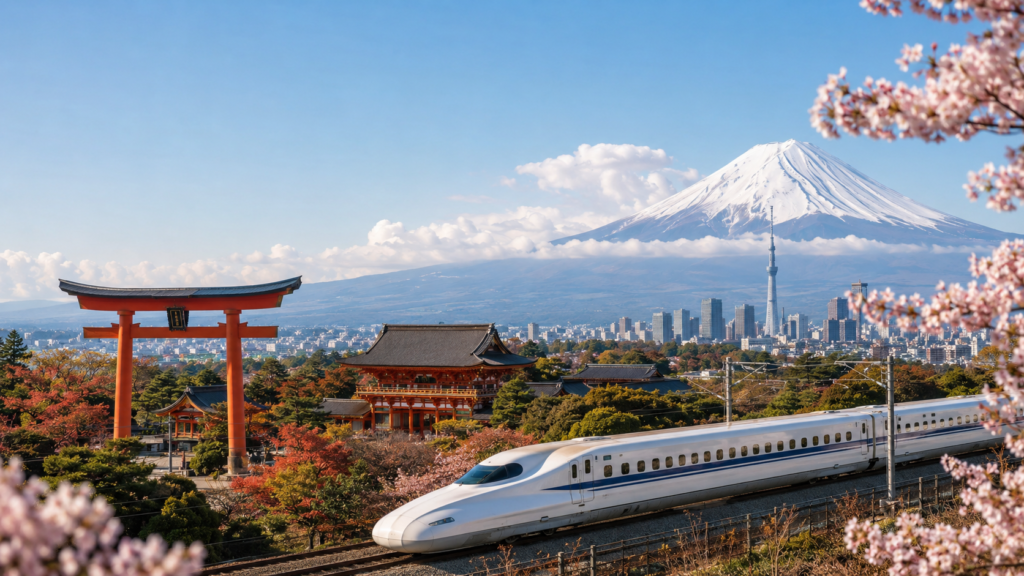
Planning a trip abroad can feel overwhelming, and Japan Travel is one of the most searched topics for good reason: the country blends ancient temples, futuristic cities, reliable trains, and some of the world’s best food into a single destination. Whether you’re drawn by Tokyo’s neon streets, Kyoto’s quiet shrines, or the idea of riding a bullet train past Mount Fuji, Japan tends to reward first-time visitors who plan. This guide walks through when to go, where to visit, what things cost, how to get around, and the cultural details that make a trip smoother. Rules, prices, and schedules change, so treat this as a starting point and confirm specifics with official sources before you book anything.
Japan Travel Quick Guide
- Best for: culture, food, cities, history, nature, shopping
- Best time to visit: spring and autumn generally offer comfortable weather, but timing depends on region and budget
- Top cities: Tokyo, Kyoto, Osaka, Hiroshima, Sapporo, Nara
- Good for first-time visitors: yes
- Main planning needs: flights, hotel location, transport, budget, itinerary, travel insurance
Why Japan Travel Is So Popular
Japan’s appeal comes from contrast. Cities like Tokyo and Osaka offer skyscrapers, technology, and 24-hour convenience stores, while a short train ride can lead to centuries-old temples, quiet gardens, and small mountain towns. Visitors often mention the food scene, from casual ramen shops to high-end sushi counters, as a major reason to go.
Public transportation is another draw. Japan’s train network, including the Shinkansen high-speed line, is known for being extensive and punctual, which makes it realistic to explore multiple cities in a single trip. Many travelers also note that Japan feels approachable and well-organized for international visitors, even with a language barrier.
Seasonal attractions add another layer. Cherry blossoms in spring and colorful foliage in autumn are widely photographed and draw travelers from around the world, though exact timing shifts every year depending on weather.
Best Time to Visit Japan
There is no single “best” month for everyone, since it depends on your priorities and budget.
Spring (March–May): Known for cherry blossoms, mild temperatures, and a lot of tourist activity. This is a popular and often more expensive season to fly and book hotels.
Autumn (September–November): Known for cooler weather and colorful foliage, especially in October and November. Like spring, this is a popular period, so prices and crowds can increase.
Summer (June–August): Hot and humid in most of the country, with a rainy season early in the summer. Some travelers still visit for festivals and mountain or coastal areas that are cooler.
Winter (December–February): Cold in most regions, with Hokkaido known for snow and winter sports. Winter can also mean lower airfare and hotel prices in some cities.
Because cherry blossom and autumn foliage timing changes each year based on weather, do not plan a trip around an exact date. Check forecasts from the Japan Meteorological Agency or tourism boards closer to your travel dates.
Best Places to Visit in Japan
Tokyo
Japan’s capital is usually the starting point for first-time visitors. It mixes modern neighborhoods like Shibuya and Shinjuku with historic areas like Asakusa. It suits travelers who want city energy, shopping, and a wide range of food options.
Kyoto
Kyoto is known for its temples, shrines, and traditional streets, including areas like Gion and Arashiyama. It fits travelers who want a slower pace and a strong sense of history.
Osaka
Osaka is often described as a food-focused city with a livelier, more casual atmosphere than Tokyo. It works well for travelers interested in street food and nightlife, and it’s a common base for day trips to Kyoto and Nara.
Hiroshima
Hiroshima is known for its Peace Memorial Park and Museum, which many travelers describe as an important historical stop. Nearby Miyajima Island, with its floating shrine gate, is a common add-on.
Nara
Nara is a smaller city often visited as a day trip, known for its park where deer roam freely and for Todai-ji, a large wooden temple. It fits travelers with limited time who still want a cultural stop outside a major city.
Mount Fuji and Hakone
This area appeals to travelers who want mountain and lake scenery within a few hours of Tokyo. Visibility of Mount Fuji itself depends on weather, so it isn’t guaranteed on any given day.
Hokkaido and Sapporo
Japan’s northern island is known for snow, skiing, and cooler summers. It suits travelers interested in nature, winter sports, or an itinerary that goes beyond the more commonly visited central region.
Japan Travel Itinerary for First-Time Visitors
Sample 7-Day Itinerary
- Days 1–3: Tokyo (city sights, neighborhoods, day trip options)
- Day 4: Hakone or Mount Fuji area
- Days 5–7: Kyoto (temples, Arashiyama, possible Nara day trip)
Sample 10-Day Itinerary
- Days 1–4: Tokyo, with a possible day trip to Hakone or Nikko
- Days 5–7: Kyoto, including Nara and Fushimi Inari as day trips
- Days 8–9: Osaka, including food-focused exploring
- Day 10: Hiroshima or a flexible extra day before departure
These are general frameworks. Build in buffer time, since first-time visitors often underestimate how much time transit, meals, and lines at popular sites actually take.
Japan Travel Costs: What Visitors Should Budget For
Costs vary widely based on season, city, travel style, and exchange rates, so avoid locking in a budget based on old numbers. Instead, plan around these categories:
- Flights: Usually one of the largest costs, especially from the U.S., and prices shift by season and how far in advance you book.
- Hotels: Range from budget hostels and capsule hotels to mid-range business hotels and higher-end options, with Tokyo and Kyoto typically pricier than smaller cities.
- Food: Convenience stores and casual ramen or noodle shops are generally more affordable than sit-down restaurants; izakaya and specialty restaurants cost more.
- Local transport: Daily costs depend on how much you use subways, buses, and trains, and whether you use an IC card or individual tickets.
- Attractions: Many temples and shrines have modest entry fees, while museums and some experiences cost more.
- Shopping: Highly variable and easy to underestimate if you plan to buy souvenirs, electronics, or clothing.
- Travel insurance: Worth budgeting for separately, since it can help with trip interruptions, medical costs, or lost luggage.
Because exact prices change with the season and currency exchange rate, use current listings from airlines, hotel sites, and official transport providers rather than older estimates you may find online.
How to Get Around Japan
Japan’s transportation system is one of its biggest advantages for travelers.
- Shinkansen (bullet trains): Connect major cities quickly and are a common way to travel long distances without flying.
- Local trains and subways: Extensive in cities like Tokyo and Osaka, with English signage in most major stations.
- Buses: Useful for reaching areas not served well by trains, including some rural and mountain destinations.
- Taxis: Available but generally more expensive than trains for longer distances.
- IC cards: Rechargeable transit cards are widely used for trains, subways, and buses, and can simplify daily travel.
- Airport transfers: Major airports like Narita, Haneda, and Kansai offer train, bus, and taxi options into nearby cities.
If you’re considering a Japan Rail Pass, prices, coverage, and eligibility rules have changed in the past, so check the official rail pass website or an authorized retailer for current pricing and terms before purchasing.
Food and Dining Tips for Japan Travel
Food is a major part of any Japan trip, and a few practical habits help first-time visitors:
- Convenience stores (konbini) are a reliable, affordable option for snacks, drinks, and simple meals at almost any hour.
- Ramen shops and casual noodle counters are widely available and generally quick and affordable.
- Sushi ranges from casual conveyor-belt restaurants to higher-end counters with significant price differences.
- Izakaya are casual restaurants serving small dishes and drinks, popular for evening meals with a group.
- Street food is common at markets and festivals, though availability depends on location and season.
- Etiquette: It’s common to say a phrase before and after eating, and slurping noodles is generally acceptable.
- Allergies: Communicating allergies can be harder due to language differences, so consider a translation card or app.
- Cash and cards: Card acceptance has expanded, but many smaller restaurants and rural areas still expect cash, so carry some with you.
Culture and Etiquette Tips Visitors Should Know
A little cultural awareness goes a long way in Japan:
- Public transport is generally quiet. Phone calls and loud conversations are discouraged on trains.
- Remove shoes indoors in many homes, traditional inns (ryokan), and some restaurants.
- Temple and shrine manners typically include quiet behavior and following posted rules for washing hands or bowing.
- Trash disposal can be tricky, since public trash cans are less common than in many other countries; it’s common to carry trash until you find a bin.
- Tipping is not a common practice in most restaurants and services.
- Lines and queuing are taken seriously, especially at train platforms and popular food spots.
- General respectful behavior, including lowering your voice in public and being mindful of personal space, is appreciated.
Is Japan Safe for Tourists?
Japan is generally considered a safe destination for travelers, with a reputation for low rates of street crime compared to many other popular destinations. That said, “generally safe” doesn’t mean risk-free, and normal travel precautions still apply.
A few points worth keeping in mind:
- Earthquakes occur in Japan, and it’s worth knowing basic safety steps in case one happens during your trip.
- Weather alerts, including typhoons in certain seasons, can affect travel plans, so check forecasts during your trip.
- Summer heat can be intense and humid, so plan for hydration and sun protection.
- Travel insurance can help with medical costs, trip interruptions, or lost belongings.
- Emergency preparation, including knowing local emergency numbers and your embassy’s contact information, is a reasonable precaution for any international trip.
Check the U.S. Department of State’s Japan travel advisory and the Japan Meteorological Agency for current conditions before and during your trip.
Common Japan Travel Mistakes to Avoid
- Overpacking the itinerary. Trying to see too many cities in too few days often leads to rushed, exhausting travel.
- Staying too far from transit. Choosing hotels away from train stations can add significant time and cost.
- Ignoring regional weather. Conditions in Hokkaido, Tokyo, and Okinawa can differ dramatically at the same time of year.
- Assuming everyone speaks English. While signage in major cities is often bilingual, English proficiency varies, especially outside tourist areas.
- Not carrying some cash. Card acceptance has grown, but cash is still important in many places.
- Not checking attraction schedules. Some temples, museums, and seasonal sites have specific hours or closures that catch visitors off guard.
Japan Travel Checklist Before You Go
- Valid passport with enough remaining validity
- Current visa or entry requirement check for your nationality
- Flights booked with attention to layovers and arrival airport
- Hotels booked near train stations when possible
- A rough transport plan, including whether a rail pass makes sense for your route
- Travel insurance
- Any medication rules checked in advance, since some common medications are restricted in Japan
- Phone data plan or eSIM arranged
- Power adapter, since Japan uses a different plug type and voltage than some countries
- A mix of cash and cards
- A check of official government travel advisories close to your departure date
Final Thoughts on Japan Travel
Japan Travel appeals to such a wide range of visitors because the country offers something for nearly every kind of trip, from food-focused city breaks to slower, culture-focused itineraries through historic towns. First-time visitors tend to have the best experience when they build a realistic itinerary, budget with some flexibility, and take a little time to understand transportation and etiquette before arriving.
Because entry requirements, prices, and schedules can shift, treat any specific numbers or rules you read, including in this guide, as a starting point rather than a final answer. Confirm the details that matter most to your trip through official sources before you book.
Frequently Asked Questions
Q1. Is Japan good for first-time travelers?
Yes. Japan is commonly recommended for first-time international travelers because of its reliable transportation, general safety, and clear signage in major cities, though some planning ahead makes the trip smoother.
Q2. What is the best month for Japan travel?
There isn’t one universal best month. Spring and autumn are popular for milder weather and seasonal scenery, but they also tend to be busier and pricier. Winter and summer have their own appeal depending on your interests.
Q3. How many days do you need in Japan?
A first trip commonly runs 7 to 10 days, which allows time for two or three major cities without an overly rushed schedule. Shorter or longer trips are possible depending on your goals.
Q4. Is Japan expensive to visit?
Costs vary widely based on season, city, and travel style. Flights and hotels are usually the biggest expenses, while food and local transport can be budget-friendly if you choose casual options.
Q5. Do tourists need a Japan Rail Pass?
Not necessarily. Whether a rail pass makes sense depends on your itinerary and how much long-distance train travel you plan to do. Check current pricing and rules on the official rail pass website before deciding.
Q6. Is Japan safe for American travelers?
Japan is generally considered safe for American travelers, with normal precautions still recommended. Check the U.S. Department of State’s Japan travel advisory for current guidance before your trip.
Editorial note: Travel rules, prices, transportation schedules, and entry requirements can change. Readers should verify current details through official tourism, government, airline, and railway sources before booking.
Disclaimer: This article provides general travel information and does not replace official government, airline, immigration, health, or safety guidance.
Sources & References
For the most current and accurate information, verify details through:
- Japan National Tourism Organization
- U.S. Department of State Japan travel advisory
- Japan Meteorological Agency
- Official airport and railway websites
- Local city tourism boards for Tokyo, Kyoto, Osaka, and Hiroshima