


This is a developing housing and political story. This article will be updated as new information becomes available.
New York City’s decision to freeze rents for roughly one million stabilized apartments has become one of the most talked-about housing policy stories in the country. The move fulfills a key campaign promise from Mayor Zohran Mamdani, and it has drawn a sharp public rebuke from President Donald Trump. Here’s what actually happened, what it means for renters, and where things stand next.
Key Facts at a Glance
- New York City’s Rent Guidelines Board (RGB) voted 7–1 to freeze rents for eligible rent-stabilized apartments.
- 0% increase on both one-year and two-year renewal leases
- It applies to leases starting or renewing between October 1, 2026, and September 30, 2027.
- The freeze covers close to one million rent-stabilized units, home to an estimated 2 million-plus New Yorkers.
- Reports described it as a historically unusual move because both one-year and two-year renewal leases were set at 0%.
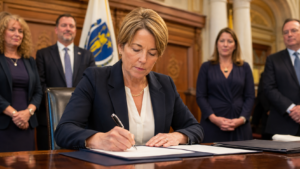
- Mayor Mamdani called the vote a “historic victory” for tenants.
- President Trump publicly criticized the decision, warning it could lead to declining building conditions.
- Market-rate apartments are not covered by this freeze.
- Landlord groups have raised concerns about rising operating costs colliding with frozen rental income.
What Is the NYC Rent Freeze, Exactly?
The New York City Rent Guidelines Board is a mayor-appointed panel responsible for setting annual rent adjustment rules for rent-stabilized housing across the five boroughs. Rent-stabilized apartments make up a significant share of the city’s housing stock and are subject to limits on how much landlords can raise rent each year.
Following its annual review process, which includes public hearings, economic data analysis, and testimony from tenants and property owners, the board voted to set this year’s allowable rent increase at 0% for both one-year and two-year lease renewals. Unlike prior years, when the board typically approved modest percentage increases, this marks a full freeze across both lease terms for the first time.
Who Qualifies for the NYC Rent Freeze
The freeze specifically applies to tenants in rent-stabilized apartments, not all New York City renters.
You may be covered if:
- Your apartment is legally registered as rent-stabilized with New York State.
- Your lease is a one-year or two-year renewal (not a brand-new market-rate lease).
- Your renewal lease begins on or after October 1, 2026, and on or before September 30, 2027.
Tenants who are unsure of their unit’s status can verify it through the New York State Homes and Community Renewal (HCR) Office of Rent Administration, which maintains official rent-stabilization registration records.
Market-rate apartments, co-ops, condos, and units outside the rent-stabilization system are not affected by this decision.
When Does the NYC Rent Freeze Start?
The freeze takes effect for renewal leases beginning October 1, 2026, and remains in place through September 30, 2027.
Leases that renew before October 1, 2026, are still governed by the board’s previous guideline, which included earlier approved increases. In other words, the freeze is not retroactive, it applies only to the specific 12-month window covered by this year’s RGB order, unless a legal challenge affects its implementation.
Why President Trump Criticized the Decision
President Trump addressed the rent freeze publicly, arguing that holding rents at zero while other costs rise could hurt the long-term condition of affected buildings. He suggested that landlords facing rising expenses without corresponding rent increases could struggle to maintain their properties, potentially accelerating disinvestment in some buildings. He also linked the policy to broader concerns about New York City’s economic competitiveness and population trends.
The comments came shortly after the RGB vote and drew wide coverage, with the president’s remarks framed by supporters as a warning about unintended consequences and by critics as overstated. It’s worth noting this is one part of a broader, ongoing political conversation between the Trump administration and Mamdani’s administration over New York City policy.
Mayor Mamdani’s Position
Mayor Mamdani, who campaigned heavily on affordability and pledged to freeze rents for stabilized tenants, described the RGB’s decision as a major win for working New Yorkers. His office said the board’s independent process weighed several factors, including tenants’ ability to pay, cost-of-living pressures, and building operating costs, before reaching its decision.
Mamdani’s team has emphasized that the freeze delivers direct, near-term relief to households already dealing with high housing costs in one of the most expensive rental markets in the country.
Landlord and Property Owner Concerns
Property owner groups and some board members have pushed back, arguing that a full freeze does not account for rising costs tied to insurance, utilities, labor, and building maintenance. Their central concern is that operating expenses continue to rise while rents remain frozen. They argue that this could squeeze already-thin margins, especially for owners of older, pre-1974 rent-stabilized buildings.
Some industry representatives have warned this dynamic could lead to deferred maintenance or, in some cases, disputes over the process used to reach the decision. This remains an active and contested part of the story, and further legal or policy developments are possible.
What Tenants Should Do Next
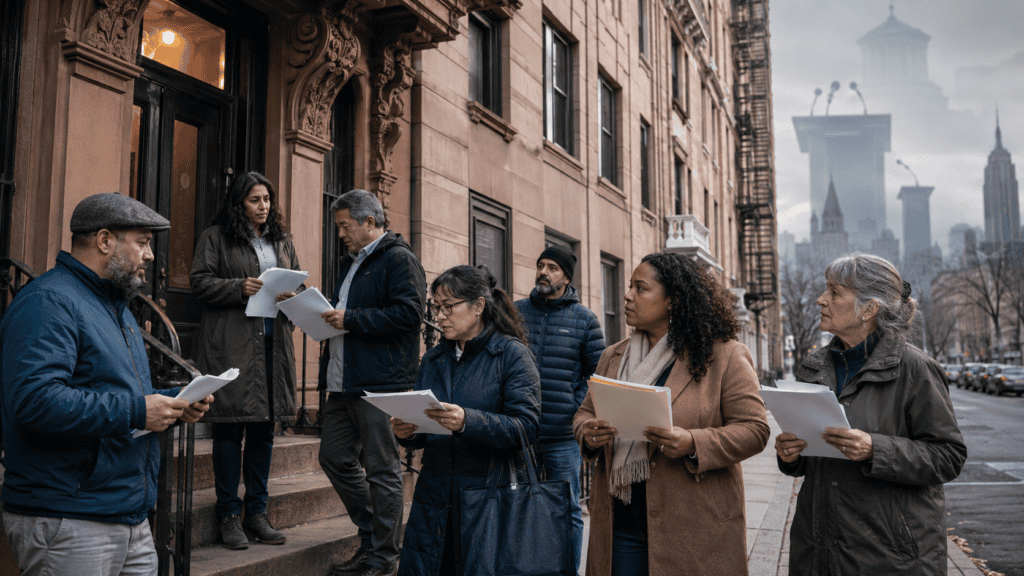
If you live in a rent-stabilized apartment in New York City, here are the practical next steps:
- Confirm your unit’s status. Check with the NYS Homes and Community Renewal Office of Rent Administration to confirm your apartment is officially rent-stabilized.
- Review your lease renewal date. The freeze only applies to renewals between October 1, 2026, and September 30, 2027.
- Keep documentation. Save your lease, rent history, and any renewal notices from your landlord.
- Watch for updates. As with any new housing policy, implementation details or legal challenges could affect timing, check official city and state housing resources for the latest guidance.
- Reach out to tenant resources if needed. Nonprofit tenant advocacy organizations and legal aid groups can help clarify individual situations.
The Bigger Picture
This story sits at the intersection of local housing policy and national politics. For eligible tenants, the immediate impact is straightforward: qualifying one-year or two-year renewal leases during the covered period would carry a 0% rent increase. For landlords, the concern is longer-term financial pressure. And politically, the freeze has become a flashpoint between the Trump administration and Mamdani’s administration, with both sides using it to make broader arguments about affordability, governance, and economic policy.
As this remains a developing situation, readers should expect continued coverage as implementation begins and as any legal or legislative responses unfold.
Frequently Asked Questions
Q1. What is the NYC rent freeze?
It’s a decision by the city’s Rent Guidelines Board to set rent increases at 0% for eligible one-year and two-year rent-stabilized lease renewals between October 1, 2026, and September 30, 2027.
Q2. Does the rent freeze apply to all NYC renters?
No. It only applies to rent-stabilized apartments, not market-rate units, co-ops, or condos.
Q3. When does the NYC rent freeze take effect?
It applies to qualifying lease renewals beginning October 1, 2026, and running through September 30, 2027.
Q4. Why did President Trump criticize the rent freeze?
He argued that freezing rents while other costs rise could hurt building upkeep over time and affect the city’s broader economic outlook.
Q5. How can I check if my apartment is rent-stabilized?
You can verify your unit’s status through the New York State Homes and Community Renewal (HCR) Office of Rent Administration.