


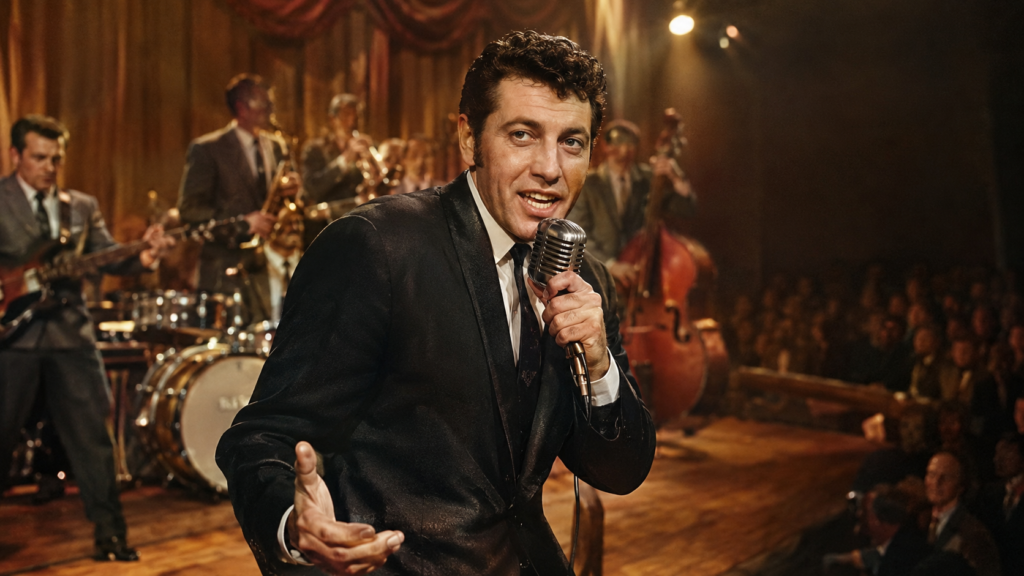
Freddy “Boom Boom” Cannon, the energetic rock-and-roll singer best known for hits such as “Palisades Park,” “Tallahassee Lassie” and “Way Down Yonder in New Orleans,” has died at the age of 89.
Cannon died on July 17, 2026, at a hospice facility in Oxnard, California, after a recent cancer diagnosis, according to reports citing his representative. The specific type of cancer was not publicly disclosed.
His death marks the loss of one of the most recognizable performers from the early years of American rock and roll. Cannon’s powerful vocals, heavy drumbeats and energetic performances helped distinguish him during the late 1950s and early 1960s.
Quick Answer: Who Was Freddy Cannon?
Freddy Cannon was an American rock-and-roll singer who rose to fame in 1959 with “Tallahassee Lassie.” Nicknamed “Boom Boom” because of his explosive musical style, he later recorded major hits including “Way Down Yonder in New Orleans” and “Palisades Park.” He also became the most frequent musical guest on Dick Clark’s “American Bandstand.”
Readers can find more artist stories and industry updates in the Fresh Global News Music section.
What Was Freddy Cannon’s Cause of Death?
Freddy Cannon died after a brief battle with cancer. Reports said he had recently been diagnosed and was receiving care at a California hospice facility.
No more specific medical information was immediately released. His family and representatives should therefore remain the primary sources for any future details about his illness.
Cannon had reportedly continued working on music shortly before his hospitalization, reflecting the connection to rock and roll that remained central throughout his life.
How Freddy Cannon Became a Rock-and-Roll Star
Cannon began attracting national attention with “Tallahassee Lassie,” released in 1959. The energetic record reached No. 6 on the Billboard Hot 100 and became the first of more than 20 Cannon songs to appear on the chart.
The song developed from an idea connected to his mother and was shaped into the driving rock-and-roll recording that introduced Cannon to a national audience.
Later in 1959, his version of “Way Down Yonder in New Orleans” reached No. 3 in the United States, becoming one of the highest-charting songs of his career.
Why “Palisades Park” Became His Signature Song
Cannon achieved another major success in 1962 with “Palisades Park.”
Written by future television producer and “The Gong Show” host Chuck Barris, the song used amusement-park sound effects, an energetic vocal performance and a fast rock-and-roll rhythm. It reached No. 3 on the Billboard Hot 100 and became Cannon’s most enduring recording.
Decades later, “Palisades Park” remains the song most closely associated with his name and continues to attract listeners through oldies radio and streaming platforms.
Freddy Cannon’s Biggest Songs
| Song | Release year | Why it is remembered |
| Tallahassee Lassie | 1959 | Cannon’s breakthrough Top 10 hit |
| Way Down Yonder in New Orleans | 1959 | Reached No. 3 on the Billboard Hot 100 |
| Palisades Park | 1962 | His best-known signature recording |
| Abigail Beecher | 1964 | One of his notable later chart hits |
| Action | 1965 | Theme song for the TV program “Where the Action Is” |
Cannon’s recordings were known for pounding percussion, enthusiastic vocals and frequent shouts that created an immediately recognizable sound.
Why Was Freddy Cannon Called “Boom Boom”?
The nickname “Boom Boom” reflected the force and excitement of Cannon’s music.
His recordings placed unusual emphasis on powerful drums, handclaps, driving rhythms and energetic vocal sounds. That approach gave his songs a louder and more explosive quality than much of the polished pop music being released during the same period.
The nickname eventually became such an important part of his public identity that he was widely promoted as Freddy “Boom Boom” Cannon.
Freddy Cannon’s American Bandstand Record
Cannon was closely connected to Dick Clark’s “American Bandstand,” one of the most influential music programs of its era.
He reportedly appeared on the show 110 times, making him its most frequent guest performer. Those appearances introduced his music to young television audiences across the United States and helped turn songs such as “Tallahassee Lassie” into national hits.
Cannon also recorded “Action,” the theme song for Dick Clark’s television series “Where the Action Is.”
Freddy Cannon’s Rock-and-Roll Legacy
Freddy Cannon emerged during an important transition in popular music. His career developed after the first explosion of stars such as Chuck Berry and Little Richard but before British groups transformed the American charts in the mid-1960s.
His music preserved the excitement of early rock and roll through:
- Driving drumbeats
- Fast dance rhythms
- Powerful vocal performances
- Memorable shouts and sound effects
- Songs built around American cities and attractions
Unlike many performers whose careers ended after their first chart success, Cannon continued recording, touring and appearing at rock-and-roll revival events for decades.
His songs also reached later generations through movies, television programs, cover recordings and digital streaming services.
For more coverage of musicians, television personalities and cultural figures, visit the Fresh Global News Entertainment section.
Final Thoughts
Freddy Cannon will be remembered as one of early rock and roll’s most energetic performers.
Songs including “Tallahassee Lassie,” “Way Down Yonder in New Orleans” and “Palisades Park” helped define his career, while his record number of “American Bandstand” appearances made him a familiar face to a generation of music fans.
Although Cannon’s death closes an important chapter in rock-and-roll history, the explosive sound that earned him the nickname “Boom Boom” remains preserved in his recordings.
Frequently Asked Questions
Q1. Who was Freddy Cannon?
Freddy Cannon was an American rock-and-roll singer known for energetic hits including “Palisades Park,” “Tallahassee Lassie” and “Way Down Yonder in New Orleans.”
Q2. How old was Freddy Cannon when he died?
Freddy Cannon was 89 years old when he died on July 17, 2026.
Q3. What was Freddy Cannon’s cause of death?
Cannon died following a brief battle with cancer. The specific type of cancer was not publicly disclosed.
Q4. What was Freddy Cannon’s biggest song?
“Palisades Park” is generally considered his signature song. It reached No. 3 on the Billboard Hot 100 in 1962.
Q5. Why was Freddy Cannon called “Boom Boom”?
He received the nickname because of the explosive drumbeats, energetic rhythms and powerful vocal style heard in his recordings.
Q6. How many times was Freddy Cannon on American Bandstand?
Cannon reportedly appeared on “American Bandstand” 110 times, making him the program’s most frequent guest performer.
Sources and Further Reading
- UPI: Singer Freddy “Boom Boom” Cannon dies at 89
- Music Museum of New England: Freddy Cannon biography
- AllMusic: Freddy Cannon biography and discography
- Apple Music: Freddy Cannon songs and releases
Editorial note: This article is based on information available as of July 28, 2026. It may be updated if Cannon’s family or representatives release additional details.