



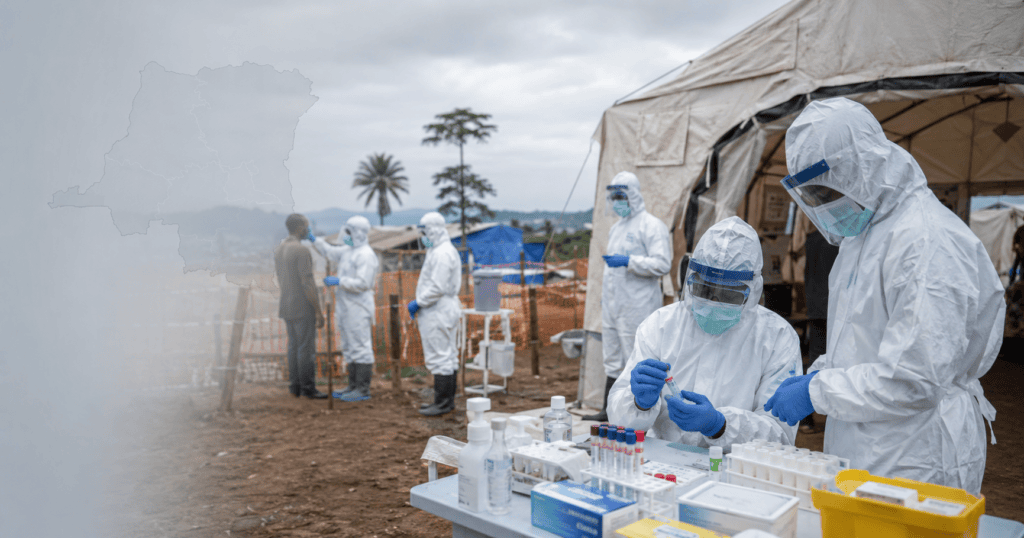
Congo Ebola Outbreak: Key Facts (as of July 8–10, 2026)
- Virus Species: Bundibugyo virus (no approved vaccine or specific treatment currently available)
- Confirmed Cases (DRC): Approximately 1,759–1,792
- Confirmed Deaths (DRC): Approximately 600–625
- Main Affected Provinces: Ituri (most affected), North Kivu, South Kivu
- Also Reported: Limited cases in Uganda (linked to cross-border movement)
- Response Status: Public Health Emergency of International Concern (declared by WHO)
- Risk Outside Region: Low for the general public and international travelers with no direct exposure
The Democratic Republic of the Congo is experiencing an active outbreak of Ebola disease caused by the Bundibugyo virus. As of early July 2026, health authorities have reported over 1,700 confirmed cases and around 600 confirmed deaths in the country, according to data from the DRC Ministry of Health, WHO, and CDC. New cases continue to emerge, including in previously less-affected areas.
This is the 17th Ebola outbreak in the DRC. The current event has spread faster than many previous outbreaks in the country.
What Is the Latest Situation in Congo?
As of July 8–9, 2026, the DRC has recorded roughly 1,759–1,792 confirmed cases and 600–625 confirmed deaths. The outbreak was first confirmed in May 2026 in Ituri Province. It has since spread to multiple health zones in Ituri, North Kivu, and South Kivu provinces.
Health officials note rapid increases in some weeks, with dozens of new confirmed cases and deaths reported regularly. Suspected cases and deaths under investigation are also being monitored separately.
Where Is the Outbreak Happening?
The epicenter is in Ituri Province in northeastern DR Congo. Cases have been confirmed across dozens of health zones in Ituri, with additional spread into parts of North Kivu and South Kivu. Cross-border links have led to confirmed cases in Uganda. The region faces challenges from remote terrain, population movement, and ongoing insecurity.
Which Ebola Virus Is Causing the Outbreak?
This outbreak is caused by the Bundibugyo virus (Orthoebolavirus bundibugyoense). This species is less common than the Zaire ebolavirus and has no approved vaccine or specific antiviral treatment available at this time. Supportive care remains the mainstay of treatment.
What Is Ebola Virus Disease?
Ebola Virus Disease (EVD) is a severe, often serious illness caused by viruses in the Ebolavirus genus. It can cause fever, fatigue, and in some cases organ failure and bleeding.
How Does Ebola Spread?
Ebola spreads through direct contact with:
- Blood or bodily fluids (vomit, feces, urine, saliva, semen, breast milk) of a person who is sick with or has died from Ebola
- Contaminated surfaces, medical equipment, or materials
- Infected animals (in initial spillover events)
- Unsafe burial practices
It is not airborne like flu or measles. People are generally not infectious before symptoms appear.
What Are the Symptoms of Ebola?
Common symptoms include:
- Sudden fever
- Severe fatigue
- Muscle pain and headache
- Sore throat
- Vomiting and diarrhea
- Abdominal pain
- Rash
- Unexplained bleeding (in some cases)
Symptoms can appear 2–21 days after exposure and often resemble other common illnesses such as malaria.
How Serious Is Ebola?
Case fatality rates vary. Early detection, isolation, and supportive care (fluids, oxygen, treatment of complications) can significantly improve survival chances. Access to quality medical care plays a major role in outcomes.
Is There a Vaccine or Treatment?
There is currently no approved vaccine or specific treatment for Bundibugyo virus disease. Existing tools approved for Zaire ebolavirus are not considered suitable for this outbreak. Research into candidate vaccines and therapies is ongoing. Patients receive supportive care in isolation facilities.
What Are Health Authorities Doing?
Response efforts by the DRC Ministry of Health, WHO, Africa CDC, MSF, and partners include:
- Case isolation and treatment centers
- Contact tracing and surveillance
- Laboratory testing
- Safe and dignified burials
- Community engagement and education
- Infection prevention and control in healthcare settings
International support continues to scale up.
What Challenges Are Response Teams Facing?
Key challenges include remote locations, insecurity, health worker strikes, community mistrust, and limited laboratory and treatment capacity in some areas. These factors can delay detection and response.
How Does This Outbreak Compare?
This outbreak has grown faster in its early months than many previous DRC outbreaks. It is caused by a different virus species than the large 2014–2016 West Africa epidemic or several recent Zaire ebolavirus outbreaks in the DRC.
Is There a Risk to Other Countries?
The immediate risk to the general public outside affected areas in Africa remains low. Limited imported cases have been reported (including in Uganda and one in France). Standard public health measures such as screening and contact tracing help manage potential spread. Travelers with no direct exposure face minimal risk.
What Should Travelers Know?
Check latest travel advisories from your government and WHO. Avoid contact with sick individuals or unsafe burial practices in affected regions. Seek immediate medical care and inform providers of travel history if you develop fever or other symptoms after returning from an affected area.
What Happens Next?
Containment depends on rapid case detection, thorough contact tracing, community trust, sufficient treatment capacity, and sustained funding. Health authorities continue to monitor the situation closely.
Frequently Asked Questions
Q1. Is Ebola airborne?
No. Ebola does not spread through the air. It requires direct contact with infected bodily fluids or contaminated materials.
Q2. How does Ebola spread?
Through direct contact with blood or bodily fluids of infected people, contaminated surfaces, unsafe burials, or infected animals.
Q3. What are the first symptoms of Ebola?
Sudden fever, fatigue, muscle pain, headache, and sore throat are common early signs.
Q4. How long is the Ebola incubation period?
Symptoms typically appear 2 to 21 days after exposure.
Q5. Is there a vaccine for the current Congo Ebola outbreak?
No approved vaccine is currently available for the Bundibugyo virus causing this outbreak.
Q6. Can Ebola be treated?
Yes, through supportive care (fluids, oxygen, symptom management). Specific antiviral treatments for the Bundibugyo virus are not yet approved.
Q7. Can Ebola spread to other countries?
Limited imported cases are possible through travel, but widespread international spread is unlikely with proper screening and response.
Q8. Is it safe to travel to Congo?
Check current official travel advisories. Risk is higher in affected eastern provinces. General travelers should follow standard precautions.
Q9. How are suspected Ebola cases confirmed?
Through laboratory testing of blood or other samples at authorized facilities.
Q10. Where can readers find reliable outbreak updates?
Consult official sources: WHO, Africa CDC, CDC, and the DRC Ministry of Public Health.
Medical Disclaimer:
This article is for general informational purposes only and does not replace professional medical or public health advice. Consult qualified healthcare providers and official authorities for guidance.