


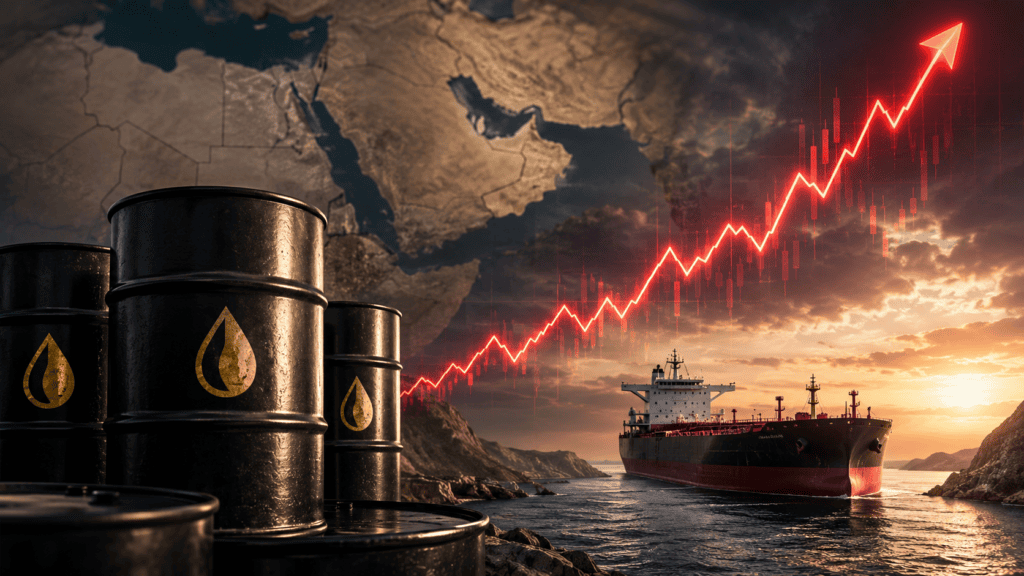
Oil prices moved higher, and U.S. stock futures slipped after President Trump declared the ceasefire with Iran over, with the U.S. military striking targets along Iran’s coastline overnight. It’s the latest jump in Iran oil prices since the conflict began earlier this year, and it comes just as markets had started to calm down.
Key Points
- Trump says the Strait of Hormuz ceasefire with Iran is finished and that further U.S. strikes are planned.
- The U.S. military hit multiple targets along Iran’s coast overnight, in response to reported Iranian attacks on vessels in the Strait.
- Oil prices, which had eased back toward pre-war levels during the ceasefire, are rising again on the news.
- Bond yields moved higher overnight, and markets are now pricing in a greater chance that the Federal Reserve will raise interest rates this month.
- The Strait of Hormuz carries roughly a fifth of the world’s seaborne oil and LNG trade, which is why any escalation there moves oil prices within hours.
Why Are Oil Prices Rising in Iran’s Conflict With the US?
Oil markets are reacting to risk, not just physical supply. When fighting resumes near the Strait of Hormuz, shipping companies and insurers immediately price in the chance of blocked or attacked tankers, so oil prices in an Iran-related escalation typically move before a single barrel is actually delayed.
What Caused the Latest Jump in Oil Prices?
According to reporting from NPR, crude oil prices rose, and broader stock markets fell after Trump announced the ceasefire’s end, with the U.S. military striking numerous targets along Iran’s coast overnight in response to Iranian attacks on ships attempting to move through the Strait. That reverses weeks of relative calm that had let prices drift back down from their wartime highs.
How Are Financial Markets Reacting?
The move isn’t limited to the price of crude. Overnight bond yields climbed, a sign investors are bracing for renewed uncertainty, and a closely watched market gauge now shows a better-than-one-in-three chance the Federal Reserve raises rates later this month, up from roughly one-in-four just a day earlier. That shift reflects a bet that the Fed may need to respond to inflation risk from higher energy costs, on top of its usual growth concerns.
What Does This Mean for Inflation and the Federal Reserve?
The Federal Reserve, now under new chair Kevin Warsh, is watching energy prices closely because they’ve already pushed inflation above the central bank’s 2% target. Rising oil prices tend to work their way into gas pumps and shipping costs within weeks, which is part of why bond markets react to Strait of Hormuz headlines faster than consumers ever notice a difference at the pump.
Could Gas Prices Go Up Because of This?
It’s possible, but not guaranteed. Earlier phases of the same conflict pushed Brent crude well above $100 a barrel and drove U.S. gasoline prices sharply higher in some states before easing off as ceasefires took hold. Whether this round has a similar effect on gas prices depends on whether it stays a limited exchange of strikes or turns into a longer disruption of tanker traffic through the Strait.
Frequently Asked Questions
Q1. Why are oil prices rising because of Iran again?
Because the ceasefire between the US and Iran has collapsed, and the U.S. military carried out new strikes overnight. Markets price in the risk of disrupted Strait of Hormuz shipping immediately, which pushes oil prices up even before any tankers are actually affected.
Q2. How much of the world’s oil goes through the Strait of Hormuz?
Roughly one-fifth of global seaborne oil and liquefied natural gas trade moves through the Strait, which is why conflict there has an outsized effect on global oil prices.
Q3. Will US gas prices rise because of the Iran conflict?
It’s too early to say for certain. Sustained disruption in earlier phases of this conflict drove U.S. gas prices sharply higher; a short, contained exchange of strikes could have a smaller and more temporary impact.
Q4. Is the Federal Reserve likely to raise interest rates because of this?
Markets are currently pricing in higher odds of a rate move this month than they were a day earlier, largely on inflation concerns tied to energy costs. That is a market expectation, not a confirmed Fed decision.
Conclusion
This is a developing story, and oil prices tied to the Iran conflict are moving in real time. Watch tanker traffic through the Strait of Hormuz, not just political statements, because any disruption there could ultimately raise gas prices for ordinary consumers. We’ll update this article as new information becomes available.