



Introduction
Every year on July 28, World Hepatitis Day draws attention to a disease that kills more people worldwide than tuberculosis, yet receives a fraction of the funding and public attention directed at other infectious diseases. Nowhere is that imbalance sharper than in sub-Saharan Africa, where the World Health Organization (WHO) says the region carries a disproportionate share of the global hepatitis B burden. The World Hepatitis Day 2026 campaign arrives as WHO Africa renews pressure on national governments to close persistent gaps in diagnosis, vaccination and treatment access. For readers in the United States, United Kingdom, Canada, and Australia, the story matters because success or failure in controlling this preventable disease at its source influences global health security, migration patterns, and international aid decisions.
Quick Answer
Hepatitis is a viral liver infection that can become chronic and fatal if untreated. It remains a major crisis in Africa because vaccination coverage is uneven, healthcare systems are stretched thin, and most infected people are never diagnosed early enough to receive life-saving care, according to WHO.
Key Takeaways
- The WHO African Region carries one of the highest shares of chronic hepatitis B infections of any world region, driven largely by mother-to-child transmission at birth.
- Hepatitis B and C together cause more than a million deaths globally each year, mostly from liver cirrhosis and liver cancer that develop silently over decades.
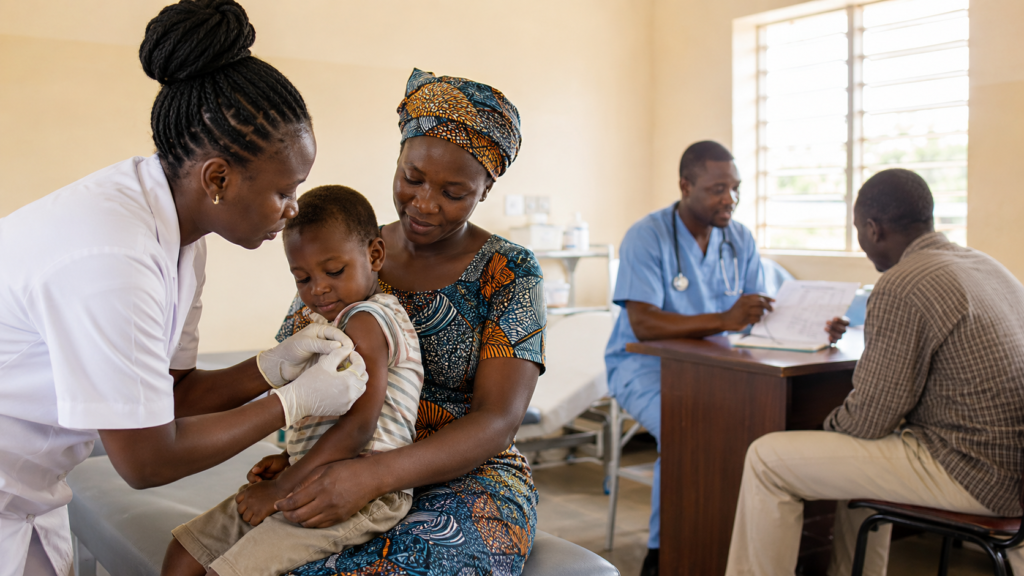
- A single birth-dose vaccine, given within 24 hours of delivery, can prevent most cases of mother-to-child hepatitis B transmission, yet coverage across Africa remains far below global averages.
- Hepatitis C can now be cured in most patients with a short course of oral medicine, but access to that treatment in many African countries is still extremely limited.
- WHO’s 2030 elimination targets are achievable in theory, but officials say current funding and screening rates put most African nations off track to meet them.
What Is Hepatitis?
Hepatitis simply means inflammation of the liver. Five distinct viruses, hepatitis A, B, C, D and E, cause the condition, and they behave very differently from one another.
Hepatitis A and E typically spread through contaminated food or water, cause short-term illness, and rarely lead to lasting liver damage in otherwise healthy people. Outbreaks tend to follow poor sanitation or disrupted water supplies, and most people recover fully without specific treatment.
Hepatitis B, C and D behave differently. They spread through contact with infected blood or body fluids, including from mother to child during birth, through unsafe injections, or through unscreened blood transfusions, and can persist in the body for years without symptoms. Hepatitis D only occurs in people already infected with hepatitis B and can accelerate liver damage when present.
According to WHO, chronic infections with hepatitis B and hepatitis C are responsible for the overwhelming majority of hepatitis-related deaths worldwide, because both can quietly damage the liver for 20 to 30 years before symptoms appear. By the time many patients feel unwell, the disease has often progressed to cirrhosis or liver cancer.
Why Is Hepatitis Still a Major Problem in Africa?
Several overlapping factors keep hepatitis entrenched across the continent, and none of them exist in isolation.
Late diagnosis. Because chronic hepatitis B and C rarely produce early symptoms, many people in Africa do not realize they carry the virus until it has already caused advanced liver damage. Routine screening programs that catch the disease early remain rare outside major cities.
Mother-to-child transmission. WHO Africa has identified birth-related transmission as the primary driver of new chronic hepatitis B infections in the region. Without a vaccine dose delivered within hours of birth, infants infected by their mothers face a high lifetime risk of chronic infection, far higher than adults who acquire the virus later in life.
Uneven vaccination coverage. While hepatitis B vaccines have been part of many African immunization schedules for years, the critical birth-dose shot, given in the first 24 hours of life, reaches a far smaller share of newborns across the WHO African Region than the global average, WHO data shows.
Rural healthcare shortages. Urban centers contain most diagnostic laboratories, trained staff, and basic rapid test kits, which leaves rural communities with little practical access to screening or specialist liver care.
Stigma. In many communities, a hepatitis diagnosis carries social consequences similar to those once associated with HIV, discouraging people from seeking testing or disclosing their status to partners and family members.
Fragile supply chains and funding. Antiviral medicines, diagnostic tests and vaccines all depend on consistent procurement and cold-chain logistics that are frequently disrupted by funding shortfalls, according to WHO Africa program reports.
What Is WHO Calling For?
WHO’s guidance centers on weaving hepatitis services into the systems Africa already has, rather than building costly parallel programs.
Officials are pressing governments to expand routine testing at existing primary healthcare clinics, so patients are screened during ordinary visits rather than only when symptoms appear. They are also calling for near-universal birth-dose vaccination, delivered in the same visit as a newborn’s first checkup, to interrupt mother-to-child transmission before it starts.
Beyond vaccination, the agency wants hepatitis care folded into broader Universal Health Coverage plans, so patients don’t have to travel to specialized referral hospitals for basic monitoring or medication refills. That includes training general nurses and community health workers to manage routine hepatitis B and C care, not just specialists in major cities.
Community-level awareness campaigns are another pillar, aimed at reducing stigma and encouraging people, particularly pregnant women and their partners, to get tested. Finally, WHO has repeatedly flagged the need for sustained domestic and international financing, warning that progress made over the past decade could stall if funding for hepatitis programs is cut.
Can Hepatitis Be Prevented?
Yes, and prevention is far more effective, and far cheaper, than treating advanced liver disease later. Several proven tools already exist:
- Vaccination. The hepatitis B vaccine, including the newborn birth dose, prevents infection before it can take hold. No vaccine currently exists for hepatitis C.
- Safe injection practices. Using sterile, single-use needles and syringes in clinical settings prevents bloodborne transmission of hepatitis B, C and D.
- Blood screening. Testing donated blood for hepatitis viruses before transfusion, standard practice in wealthier countries, still needs strengthening in parts of the region.
- Safe childbirth practices. Combining maternal testing with timely newborn vaccination sharply reduces mother-to-child transmission.
- Public awareness. Community education about how hepatitis spreads, and how it does not, helps reduce both new infections and the stigma that keeps people from seeking care.
Can Hepatitis Be Treated?
Treatment approaches differ significantly depending on which virus a patient has.
Hepatitis B cannot currently be cured in most patients, but long-term antiviral medication can suppress the virus, dramatically slow liver damage and lower the risk of cirrhosis or liver cancer. Patients typically need to stay on treatment for years, sometimes for life, which makes consistent access to affordable medicine essential.
Hepatitis C is a different story. According to WHO, modern direct-acting antiviral medicines cure more than 95% of infections when patients complete the prescribed eight- to twelve-week course of daily pills. Across much of Africa, the main challenge lies not in the medicines’ effectiveness but in supplying clinics with affordable, quality-assured drugs and diagnosing patients early enough for treatment to help.
What Happens If Hepatitis Goes Untreated?
Left unmanaged, chronic hepatitis B or C infection follows a slow but predictable path. Ongoing inflammation causes scarring of the liver, known as cirrhosis, which gradually impairs the organ’s ability to filter blood, produce proteins, and process nutrients. As cirrhosis progresses, patients face a sharply higher risk of liver cancer, one of the deadliest cancers because doctors often diagnose it at a late stage.
The consequences extend well beyond individual patients. Advanced liver disease drives up hospital admissions, strains already limited specialist care, and pulls working-age adults out of the labor force during their most economically productive years. Families frequently absorb the cost of caregiving and lost income, compounding poverty in communities that can least afford it. Public health economists have long noted that the price of managing late-stage liver disease and cancer far exceeds the cost of routine screening and early antiviral treatment, making prevention not just a health priority, but an economic one.
Can Africa Eliminate Hepatitis by 2030?
WHO’s global strategy sets ambitious 2030 targets: a 90% reduction in new chronic hepatitis infections, a 65% reduction in hepatitis-related deaths, and diagnosing and treating the large majority of people already living with the disease, all measured against a 2015 baseline.
Some African countries have made genuine progress, expanding birth-dose vaccination programs and integrating hepatitis testing into HIV and maternal health services that already reach large numbers of people. These “integration” approaches have proven more cost-effective than standalone hepatitis programs and offer a realistic path forward.
Even so, WHO officials have been candid that most of the region is not currently on track to meet the 2030 targets. Diagnostic and treatment coverage remain far below the thresholds needed, and funding for hepatitis elimination continues to compete with other pressing health priorities, from malaria to maternal mortality. Meeting the targets would require a significant, sustained increase in political commitment and domestic health financing, something that is far from guaranteed, even where technical solutions already exist. Elimination by 2030 remains possible in principle, but current trends suggest many countries will fall short without a substantial course correction.
Frequently Asked Questions
Q1. What causes hepatitis?
Five distinct viruses A, B, C, D, and E,cause hepatitis. Each spreads differently, through routes that range from contaminated food and water to contact with infected blood or body fluids.
Q2. Can hepatitis be cured?
A short course of oral antivirals cures hepatitis C in most cases. By contrast, doctors generally manage hepatitis B rather than cure it, although treatment can control the virus effectively for decades.
Q3. Is hepatitis contagious?
Hepatitis A and E spread through contaminated food or water and are contagious in unsanitary conditions. Hepatitis B, C and D spread through blood and body fluids, not through casual contact such as sharing meals or shaking hands.
Q4. Who should get tested?
Pregnant women, infants born to hepatitis-positive mothers, people who have received unscreened blood transfusions, and anyone with a family history of liver disease are among the groups health authorities prioritize for testing.
Q5. What is the hepatitis B vaccine?
It is a safe, highly effective vaccine that prevents hepatitis B infection. When given to a newborn within 24 hours of birth, it is one of the most powerful tools available for stopping transmission from mother to child.
Q6. What is World Hepatitis Day?
Observed every July 28, it is a WHO-recognized awareness day meant to draw global attention to viral hepatitis, encourage testing, and push governments toward the resources needed for elimination.
Q7. How common is hepatitis in Africa?
The WHO African Region accounts for one of the largest shares of new chronic hepatitis B infections recorded anywhere in the world, a burden closely tied to gaps in birth-dose vaccination coverage.
Conclusion
Hepatitis persists across Africa not because effective tools are missing, but because getting vaccines, diagnostic tests and antiviral medicines to the people who need them remains logistically and financially difficult. A disease that is largely preventable through a single newborn vaccine dose, and often curable with a short course of modern medicine, continues to quietly damage livers and shorten lives across the continent. The gap between what science can offer and what health systems can currently deliver is the real story behind Africa’s hepatitis burden. Closing it will depend less on new medical breakthroughs than on sustained political will, reliable funding and healthcare systems built to reach people long before symptoms force them into a hospital bed.