


High blood pressure remains one of the most common and consequential health conditions worldwide, and public health agencies continue to highlight a difficult reality: most people who have it do not know it. There is often no pain, no warning sign, and no obvious symptom. This is precisely why medical experts frequently describe high blood pressure as a silent risk.
Despite the lack of obvious warning signs, high blood pressure is linked to some of the most serious health outcomes a person can face, including heart disease, stroke, and kidney complications. Health authorities around the world, including the World Health Organization and national public health agencies, continue to emphasize the importance of regular blood pressure checks, especially because the condition can quietly progress for years before it is identified.
This article explains what high blood pressure is, why it is called a silent risk, what the numbers mean, common risk factors, possible symptoms, and what steps people can take in partnership with a qualified healthcare professional.
What Is High Blood Pressure?
Blood pressure refers to the force of blood pushing against the walls of the arteries as the heart pumps. This force is recorded using two numbers.
- Systolic blood pressure: the pressure in the arteries when the heart beats and pushes blood out.
- Diastolic blood pressure: the pressure in the arteries when the heart rests between beats.
A blood pressure reading is usually written as systolic over diastolic, for example 120/80 mmHg. High blood pressure, or hypertension, occurs when these numbers remain consistently above the range considered healthy for most adults.

It is important to understand that a single reading does not necessarily confirm a diagnosis. Blood pressure can vary throughout the day depending on activity, stress, hydration, and other factors. For this reason, healthcare professionals typically rely on multiple readings taken over time before making a diagnosis or treatment decision.
Why High Blood Pressure Is Called a Silent Risk
High blood pressure earns the description of a silent risk because it can develop and progress for years without causing any noticeable symptoms. A person can feel completely healthy while their blood vessels, heart, brain, and kidneys are gradually being affected by sustained high pressure.
This silent progression is one of the main reasons high blood pressure is considered a significant public health concern. Many people only discover they have it during a routine checkup, a visit for an unrelated condition, or, in more serious cases, after experiencing a major cardiovascular event such as a heart attack or stroke.
Experts emphasize that the absence of symptoms does not mean the absence of risk. This is why regular monitoring, rather than waiting for warning signs, is considered an essential part of preventive healthcare.
Common Risk Factors for High Blood Pressure
High blood pressure does not have a single cause. It typically develops from a combination of factors, some of which can be managed and others that cannot.
Factors That Cannot Be Changed
- Increasing age
- Family history of hypertension
- Certain genetic and ethnic predispositions, as identified in population health research
Factors That May Be Modifiable With Medical Guidance
- High sodium intake
- Low levels of physical activity
- Excess body weight
- Smoking or tobacco use
- Heavy or regular alcohol use
- Chronic stress
- Poor or insufficient sleep
Related Health Conditions
- Diabetes
- Chronic kidney disease
- Certain medications, including some over-the-counter drugs
A qualified healthcare professional can help assess which of these factors may be relevant to an individual and recommend an appropriate path forward.
Possible Symptoms of High Blood Pressure
In the vast majority of cases, high blood pressure causes no noticeable symptoms at all. This is part of why it is so frequently underdiagnosed.
In rare cases, when blood pressure becomes severely elevated, some people may experience symptoms. These can include:
- Severe headache
- Chest pain
- Shortness of breath
- Confusion or difficulty concentrating
- Vision changes
- Nausea
- Unusual weakness, especially on one side of the body
Seek urgent medical care if you or someone else experiences a very high blood pressure reading along with chest pain, shortness of breath, severe headache, confusion, vision changes, weakness, or any stroke-like symptoms. These can be signs of a medical emergency that requires immediate attention.
How High Blood Pressure Can Affect the Body
Sustained high blood pressure places extra strain on the arteries and organs throughout the body. Over time, this strain may contribute to several serious health concerns, although the degree of risk varies from person to person and should be assessed by a healthcare professional.
Heart Disease
Persistently high pressure can cause the heart to work harder than normal, which may contribute to thickening of the heart muscle and an increased risk of heart disease over time.
Stroke
High blood pressure is widely recognized by health authorities as one of the leading risk factors for stroke, as sustained pressure can damage or weaken blood vessels supplying the brain.
Kidney Disease
The kidneys rely on healthy blood vessels to filter waste effectively. Prolonged high blood pressure may damage these vessels and contribute to declining kidney function over time.
Vision Problems
Blood vessels in the eyes can also be affected by sustained high pressure, which may, in some cases, contribute to vision changes.
Cognitive Health
Some research suggests a relationship between long-term high blood pressure and cognitive health risks later in life, although this is an evolving area of medical research.
These possible effects are described here in general terms. They are not intended to predict outcomes for any individual, and anyone with concerns about these risks should speak with a qualified healthcare professional.
Understanding Blood Pressure Numbers
The table below outlines general blood pressure categories commonly referenced in health guidance. Exact thresholds can vary slightly between countries and medical guidelines, so readers should rely on guidance from their own healthcare provider or national health authority for personal interpretation.
| Category | Systolic (mmHg) | Diastolic (mmHg) | What It May Mean |
| Normal | Below 120 | Below 80 | Blood pressure is in a healthy range for most adults. |
| Elevated | 120 to 129 | Below 80 | Blood pressure is higher than normal and may be worth monitoring. |
| Stage 1 Hypertension | 130 to 139 | 80 to 89 | Blood pressure is elevated enough that a clinician may discuss lifestyle changes or treatment. |
| Stage 2 Hypertension | 140 or higher | 90 or higher | Blood pressure is high enough that medical evaluation and likely treatment are usually recommended. |
| Hypertensive Crisis | Above 180 | Above 120 | This range may require urgent medical attention, especially with symptoms such as chest pain, shortness of breath, or confusion. |
How Blood Pressure Is Measured
Accurate measurement is an essential part of understanding blood pressure. Both clinic visits and home monitoring can play a role.
At the Doctor’s Office
Healthcare professionals typically use a calibrated cuff and follow standardized procedures to obtain an accurate reading, often taking more than one measurement during a visit.
At Home
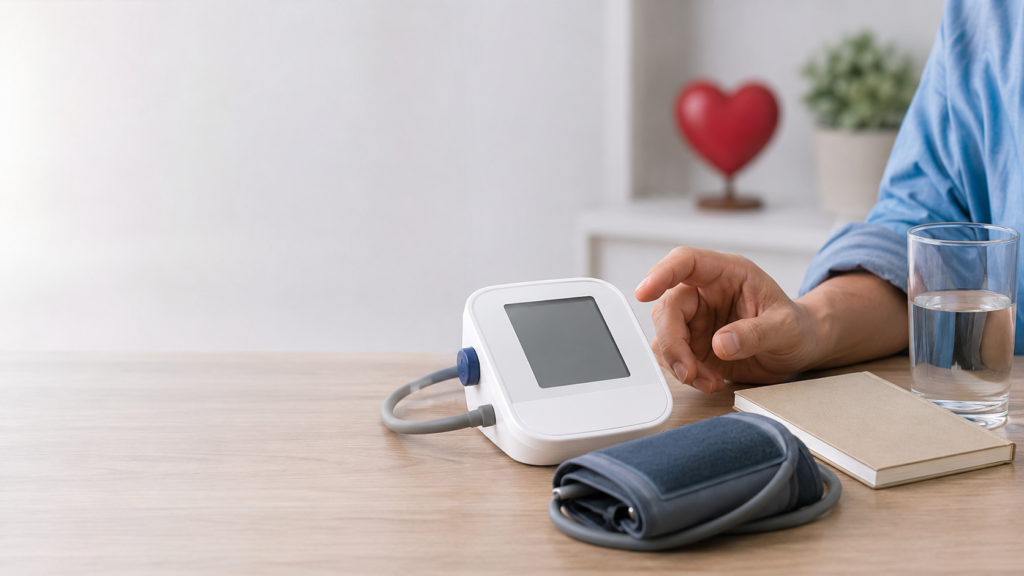
Home blood pressure monitors can be a useful tool for tracking trends over time when used correctly. General best practices that healthcare professionals often recommend include:
- Using a properly sized cuff for accurate results
- Sitting quietly with feet flat on the floor for several minutes before measuring
- Avoiding caffeine, exercise, or smoking in the period before a reading
- Supporting the arm at heart level during measurement
- Taking multiple readings at different times, as advised by a healthcare professional
- Sharing results with a doctor rather than self-interpreting isolated readings
- When to check blood pressure and how often to monitor it should ultimately be guided by a healthcare professional based on individual health history.
Lifestyle Steps That May Help Support Blood Pressure Control
Several lifestyle factors are widely recognized by health authorities as supportive of healthy blood pressure. These steps are not presented as a cure and are not a substitute for medical care. For many people, medication prescribed by a clinician remains an important part of management alongside lifestyle changes.
- Eating a balanced diet rich in vegetables, fruits, and whole grains
- Reducing excess sodium intake
- Increasing potassium-rich foods when appropriate and medically advised
- Engaging in regular physical activity, as approved by a healthcare provider
- Managing body weight when relevant to individual health
- Limiting alcohol consumption
- Quitting smoking or tobacco use
- Improving sleep quality and duration
- Managing chronic stress through healthy coping strategies
- Taking prescribed medication exactly as directed by a healthcare provider
Anyone currently taking blood pressure medication should never stop or adjust their dosage without first consulting their prescribing healthcare professional, even if they begin to feel well or adopt healthier habits.
When to See a Doctor
Health professionals generally recommend seeking medical evaluation in the following situations:
- Repeated high blood pressure readings, whether at home or in a clinical setting
- A family history of hypertension or related cardiovascular conditions
- Existing diagnoses such as diabetes, kidney disease, or heart disease
- Pregnancy, since blood pressure changes can carry specific risks during this time
- Any new or unusual symptoms
- Questions or concerns about current medication
- A very high reading accompanied by emergency symptoms requires immediate care
What Experts Want People to Understand
Health experts consistently emphasize one central message: high blood pressure is manageable, but ignoring it can be dangerous. The goal of public health messaging is not to create fear, but to encourage early detection, regular monitoring, and evidence-based care.
Because high blood pressure often produces no symptoms, awareness and routine checkups are considered some of the most effective tools available for protecting long-term health. Experts generally agree that the earlier high blood pressure is identified, the more manageable it tends to be with appropriate medical guidance.
Fresh Global News Analysis
Looking at the bigger picture, high blood pressure remains one of the most significant public health challenges globally. It is extremely common, frequently underdiagnosed, and in many cases inadequately controlled, even among those who have already been diagnosed.
Several factors continue to drive this trend, including aging populations, rising rates of obesity, sedentary lifestyles, high-sodium diets, and limited access to regular healthcare screening in some regions. Because the condition is so closely linked to preventable complications such as heart disease and stroke, public health agencies continue to treat blood pressure awareness as a priority area.
From a public health standpoint, the most consistent message across major health organizations is that early detection through regular screening, combined with sustained lifestyle support and appropriate medical treatment, offers the most effective path toward reducing the burden of hypertension-related disease worldwide.
Key Takeaways
- High blood pressure often causes no symptoms, which is why it is frequently called a silent risk.
- Blood pressure is recorded as two numbers: systolic and diastolic.
- Risk factors include age, family history, diet, physical activity levels, weight, smoking, alcohol use, stress, sleep, and certain health conditions.
- Severely high readings combined with symptoms such as chest pain, severe headache, or confusion require urgent medical care.
- Unmanaged high blood pressure may increase the risk of heart disease, stroke, kidney damage, and other complications.
- Accurate measurement, whether at home or in a clinical setting, plays an important role in detection.
- Lifestyle changes can support blood pressure control, but medication prescribed by a clinician may still be necessary.
- Regular monitoring and professional medical guidance remain the most reliable path to managing high blood pressure safely.
Frequently Asked Questions
Q1. What is high blood pressure?
High blood pressure, also called hypertension, is a condition in which the force of blood against the artery walls stays consistently higher than what is considered healthy. It is diagnosed and managed by qualified healthcare professionals based on repeated readings over time.
Q2. Why is high blood pressure called a silent risk?
It is often called a silent risk because it usually develops and progresses without noticeable symptoms. Many people with high blood pressure feel completely normal, even as the condition may be affecting the heart, brain, kidneys, and blood vessels over time.
Q3. What are common high blood pressure symptoms?
In most cases, there are no clear symptoms, which is part of why regular checks matter. Severely elevated blood pressure may, in some cases, be associated with symptoms such as severe headache, chest pain, shortness of breath, vision changes, or confusion, which require urgent medical attention.
Q4. What causes high blood pressure?
High blood pressure can result from a combination of factors, including age, family history, high sodium intake, low physical activity, excess body weight, smoking, alcohol use, chronic stress, poor sleep, diabetes, kidney disease, and certain medications. A healthcare professional can help assess individual risk factors.
Q5. How can high blood pressure affect the body?
Over time, unmanaged high blood pressure may contribute to increased risk of heart disease, stroke, kidney damage, vision problems, and other vascular complications. The extent of risk varies by individual and should be evaluated by a clinician.
Q6. When should someone see a doctor for high blood pressure?
It is advisable to see a doctor for repeated high readings, a family history of hypertension, existing conditions such as diabetes or kidney disease, pregnancy, new or unusual symptoms, concerns about medication, or any very high reading accompanied by emergency symptoms.