


President Donald Trump’s effort to make Todd Blanche the permanent U.S. attorney general has encountered resistance from members of his own party.
Blanche is already serving as acting attorney general while holding his confirmed position as deputy attorney general. However, becoming the permanent head of the Justice Department requires Senate confirmation.
The dispute centers largely on a proposed fund worth approximately $1.8 billion that critics say could benefit people who claim they were unfairly targeted by federal investigations. Republican senators have demanded stronger assurances about the fund before allowing Blanche’s nomination to advance.
As of July 31, 2026, the nomination had not received a final Senate confirmation vote.
Quick Answer
Why are some Republican senators objecting to the Todd Blanche nomination?
Republican Senators John Cornyn of Texas and Thom Tillis of North Carolina have sought written assurances that the Justice Department will not create a proposed “anti-weaponization” fund connected to a disputed legal settlement.
Their concerns include how the money could be distributed, who could receive it and whether the arrangement would create a conflict of interest.
Trump has defended the proposal and publicly discussed withdrawing Blanche’s nomination rather than accepting the senators’ demands.
Key Takeaways
- Todd Blanche is serving as acting attorney general and deputy attorney general.
- Trump nominated him to become permanent attorney general in June 2026.
- His Senate confirmation hearings were held on July 15 and 16.
- Republican senators have raised objections concerning a proposed fund of approximately $1.8 billion.
- Trump has defended the fund and considered withdrawing Blanche’s nomination.
- The nomination remains unresolved, and negotiations could continue.
Who Is Todd Blanche?
Todd Blanche is a former federal prosecutor and private defense attorney who currently serves as the 40th deputy attorney general of the United States.
He became acting attorney general in 2026 and now oversees the Department of Justice while continuing to serve as deputy attorney general.
Before returning to the department, Blanche worked as a defense attorney. His clients included Donald Trump in several criminal cases brought against Trump in 2023 and 2024.
The Justice Department’s official profile says Blanche oversees more than 100,000 employees across agencies and offices including the FBI, Drug Enforcement Administration, U.S. Marshals Service and federal prosecutors’ offices.
What Is the Status of the Todd Blanche Nomination?
Trump submitted Blanche’s nomination to the Senate on June 8, 2026.
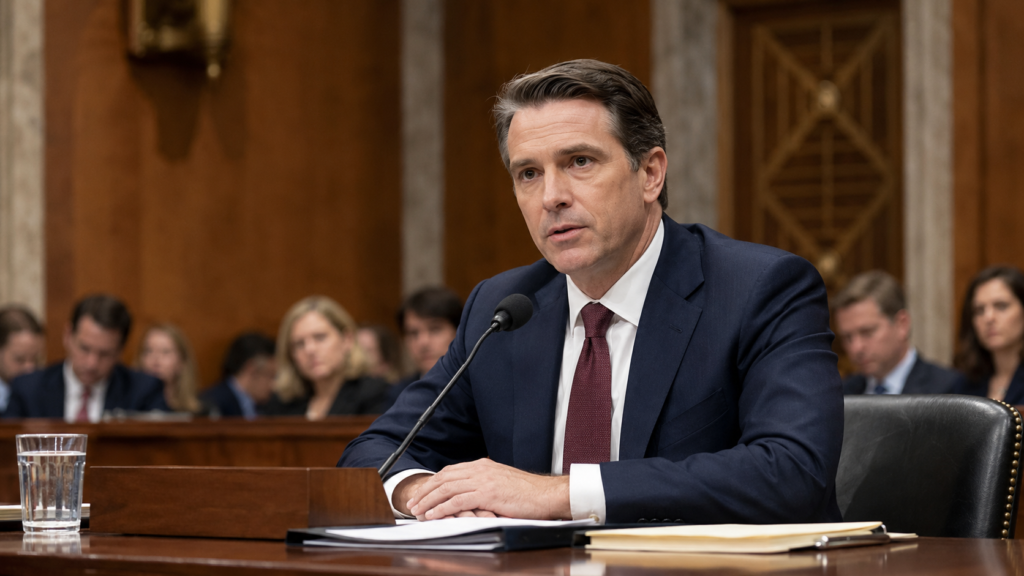
The Senate Judiciary Committee held a nomination hearing on July 15. A second day of hearings, featuring outside witnesses, followed on July 16.
The committee also listed Blanche’s nomination on the agenda for an executive business meeting on July 30. However, official Senate records did not show a final confirmation vote as of July 31.
The confirmation process normally involves several stages:
- The president submits a nomination.
- The relevant Senate committee holds hearings.
- Committee members may vote on whether to send the nomination to the full Senate.
- The full Senate debates and votes on confirmation.
A delay at the committee stage can prevent or postpone a final Senate vote.
Why Are Republican Senators Objecting?
The most immediate resistance has come from Republican Senators John Cornyn and Thom Tillis.
Both senators have sought assurances concerning a proposed “anti-weaponization” fund connected to a legal settlement involving Trump and the federal government.
They reportedly want written confirmation that the Justice Department will not establish the fund and that other disputed provisions in the settlement will be limited or removed.
Their objections are significant because the nomination would already be expected to face opposition from Senate Democrats. Losing additional Republican support could make confirmation more difficult.
The disagreement also reflects a broader question: how much independence should senators maintain when reviewing nominees selected by a president from their own political party?
Republican senators may support much of Trump’s policy agenda while still demanding changes or commitments before approving a nominee.
What Is the Anti-Weaponization Fund?
The disputed proposal has been described as an “anti-weaponization” fund worth approximately $1.8 billion.
According to reports, the proposal emerged from a settlement connected to Trump’s lawsuit alleging that federal officials mishandled or disclosed his tax information.
The money would reportedly be intended for people who claim they were harmed by politically motivated or improper government investigations.
Trump and his supporters argue that people subjected to government overreach deserve compensation.
Critics, however, have questioned how recipients would be selected and whether Trump allies—including people connected to the January 6, 2021, Capitol attack—could benefit.
Opponents have also described the proposal as a potential political slush fund. That description represents the critics’ position and has been rejected by Trump.
What Has Trump Said?
Trump has publicly defended the proposed fund, arguing that it would compensate people harmed by government misconduct rather than provide a personal benefit to him.
He has also criticized Cornyn and Tillis for delaying Blanche’s confirmation.
Trump floated the possibility of withdrawing Blanche’s nomination and submitting it again after the two senators leave office in January 2027.
That approach could delay permanent confirmation for several months. It would not necessarily remove Blanche immediately from his current acting role.
As of July 31, negotiations between Blanche and Republican senators were continuing, and no final agreement had been publicly announced.
What Did Blanche Say During His Hearing?
Blanche faced questions about Justice Department independence, congressional oversight, government investigations and several politically sensitive cases.
Senate Judiciary Committee Chairman Chuck Grassley praised Blanche’s legal and leadership experience. Grassley said Blanche had discussed issues including antitrust enforcement, department transparency and ongoing investigations.
Democratic senators raised different concerns. They questioned Blanche’s handling of congressional oversight requests, possible conflicts of interest and whether the Justice Department had maintained sufficient independence from the White House.
These competing views illustrate why attorney general nominations frequently become broader debates about executive power and the rule of law.
Why Does the Nomination Matter?
The attorney general leads the Department of Justice and is the nation’s chief federal law-enforcement official.
The department oversees federal prosecutions, civil litigation involving the United States and agencies including the FBI, DEA, Bureau of Prisons, U.S. Marshals Service and Bureau of Alcohol, Tobacco, Firearms and Explosives.
Because of those responsibilities, senators frequently examine whether a nominee would enforce the law independently—even when cases involve the president, administration officials or political opponents.
The Blanche nomination therefore involves more than one disputed fund. It raises broader questions about:
- Justice Department independence
- Presidential influence over law enforcement
- Congressional oversight
- Conflicts of interest
- The Senate’s confirmation authority
- Divisions within the Republican Party
The disagreement could also become part of the wider political debate ahead of the 2026 midterm elections. Readers can follow related voter sentiment through this Trump approval rating analysis.
Can Blanche Continue as Acting Attorney General?
Blanche was serving as acting attorney general while his nomination remained pending.
Trump withdrawing the permanent nomination would not necessarily mean Blanche would immediately leave the Justice Department. He also holds the separately confirmed position of deputy attorney general.
However, acting appointments can involve legal and procedural limits. The length of time an official may continue serving can depend on federal vacancy laws, the status of the nomination and other circumstances.
Any change in Blanche’s acting status would need to be assessed using the applicable federal rules and official Justice Department announcements.
What Could Happen Next?
Several outcomes remain possible.
1. The senators and Blanche reach an agreement
Blanche or the Justice Department could provide written assurances addressing the disputed fund. Cornyn and Tillis could then allow the nomination to advance.
2. The nomination advances without their support
Trump and Senate leaders could attempt to secure enough votes from other senators. Whether that is possible would depend on the final level of Republican and Democratic support.
3. Trump withdraws the nomination
Trump could formally remove Blanche’s nomination while Blanche continues serving in another Justice Department role.
4. Trump chooses another nominee
The president could nominate a different candidate capable of securing broader Senate support.
5. The nomination remains stalled
The White House and senators could continue negotiating without an immediate committee or confirmation vote.
Until an official Senate action or White House announcement occurs, reports about the nomination’s future should be treated as developing information.
Key People and Institutions
| Entity | Role in the Story |
| Todd Blanche | Acting attorney general and nominee for permanent attorney general |
| Donald Trump | President who nominated Blanche |
| John Cornyn | Republican senator seeking assurances about the proposed fund |
| Thom Tillis | Republican senator also objecting to the disputed provisions |
| Senate Judiciary Committee | Committee responsible for reviewing the nomination |
| Department of Justice | Federal department Blanche currently leads in an acting capacity |
| U.S. Senate | Chamber that must vote on permanent confirmation |
Frequently Asked Questions
Q1. Is Todd Blanche the U.S. attorney general?
Blanche is serving as acting attorney general. He has been nominated to become the permanent attorney general but had not received final Senate confirmation as of July 31, 2026.
Q2. Why is Todd Blanche’s nomination delayed?
The nomination is delayed primarily because Republican senators are requesting written assurances regarding a proposed fund connected to a legal settlement involving Trump.
Q3. How much is the proposed fund worth?
Reports describe the proposed anti-weaponization fund as being worth approximately $1.8 billion.
Q4. Who is opposing the nomination?
All or most Senate Democrats are expected to oppose Blanche, while Republican Senators John Cornyn and Thom Tillis have raised specific objections related to the fund and settlement provisions.
Q5. Has Trump withdrawn the nomination?
As of July 31, Trump had discussed the possibility, but no confirmed final withdrawal had been reported.
Q6. What happens if the Senate rejects the nomination?
Trump could nominate another person, resubmit Blanche’s nomination at a later date or rely temporarily on an eligible acting official, subject to federal law.
Q7. Why does the Senate confirm an attorney general?
The Constitution gives the Senate an advice-and-consent role for major presidential appointments. Senators use hearings and votes to evaluate a nominee’s experience, judgment, independence and suitability for office.
What Readers Should Watch
The next important developments include:
- A Senate Judiciary Committee vote
- Written commitments from Blanche o
- r the Justice Department
- A formal withdrawal announcement from the White House
- Statements from Cornyn or Tillis
- A full Senate confirmation vote
- Changes to the disputed settlement or proposed fund
Because this is a developing political story, publication and update dates should be displayed clearly. New official information should be added to the top of the article rather than silently replacing the original reporting.
For more explainers about Congress, executive power and federal agencies, visit the U.S. politics section or the government coverage section.
Final Summary
The Todd Blanche nomination has become a test of both Trump’s influence over Senate Republicans and lawmakers’ willingness to challenge proposals involving the Justice Department.
Blanche has completed his confirmation hearings, but objections from Republican Senators John Cornyn and Thom Tillis have complicated his path to a final Senate vote.
Their concerns center on a proposed fund worth approximately $1.8 billion and related settlement provisions. Trump has defended the proposal and considered withdrawing Blanche’s nomination rather than accepting the senators’ demands.
For now, Blanche remains acting attorney general while the White House and Senate Republicans decide whether they can resolve the dispute.
Sources
- U.S. Senate Judiciary Committee: Todd Blanche Nomination Hearing
- U.S. Senate Judiciary Committee: Executive Nomination Status
- U.S. Department of Justice: Acting Attorney General Todd Blanche
- Reuters: Trump Defends Proposed Fund as Nomination Stalls
- Associated Press: Trump Considers Withdrawing Nomination