



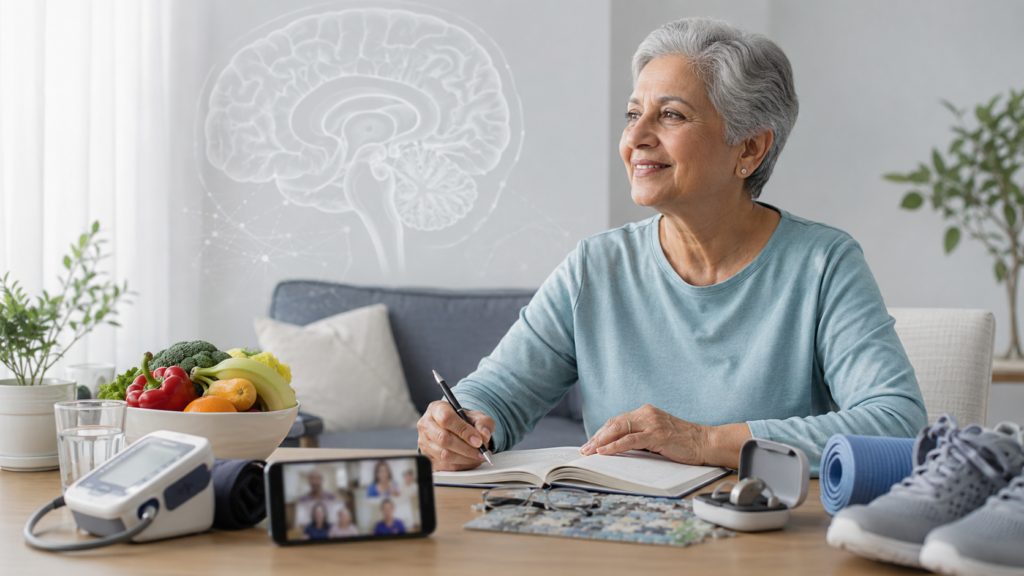
The World Health Organization has released new guidance on dementia risk factors, stating that potentially modifiable factors throughout a person’s life may account for up to 45% of dementia risk.
These factors include smoking, harmful alcohol use, physical inactivity, social isolation, air pollution, high blood pressure, diabetes and high cholesterol. WHO also recommends supporting hearing health, cognitive activity and social engagement.
However, the 45% figure does not mean that every individual can reduce their personal risk by exactly 45% or that people can always prevent dementia. Age, genetics and underlying brain diseases still play important roles.
Quick Answer
Can dementia be prevented or delayed?
Although people cannot prevent every case of dementia, evidence suggests that addressing certain health, lifestyle, social, and environmental factors may reduce the risk or delay its onset in some cases. Regular physical activity, avoiding tobacco, limiting harmful alcohol use, managing blood pressure and diabetes, treating hearing loss and staying socially and mentally active may support long-term brain health.
What Changed in WHO’s 2026 Dementia Guidance?
WHO published the second edition of its guidelines on reducing cognitive decline and dementia risk on July 15, 2026.
The new edition expands the organization’s earlier 2019 recommendations. It includes updated evidence about healthy behavior, medical conditions, environmental exposure and multidomain programs that address several risk factors together.
A notable addition is stronger attention to air pollution and the wider social conditions that influence brain health.
Dementia Risk Factors at a Glance
| Potentially modifiable factor | Why it matters | Practical consideration |
| Physical inactivity | Movement supports cardiovascular and overall brain health | Build regular activity into daily life |
| Tobacco use | Smoking damages blood vessels and increases several health risks | Seek evidence-based help to stop smoking |
| Harmful alcohol use | Heavy drinking can damage the brain and general health | Follow medical and public-health guidance |
| High blood pressure | Vascular damage can affect blood flow to the brain | Have blood pressure checked and treated |
| Diabetes | Poor blood-sugar control can affect blood vessels and nerves | Follow an individualized treatment plan |
| High cholesterol | Elevated cholesterol may contribute to vascular risk | Discuss testing and treatment with a clinician |
| Social isolation | Limited social connection may affect cognitive and emotional health | Maintain meaningful contact and activities |
| Hearing loss | Untreated hearing problems may increase isolation and cognitive strain | Have hearing assessed and use aids when advised |
| Air pollution | Long-term exposure may contribute to cognitive decline | Follow local air-quality alerts where possible |
| Low cognitive activity | The brain benefits from continued learning and stimulation | Read, learn, create and take part in challenging activities |
These actions may support brain health, but none can guarantee that a person will avoid dementia.
What Does “Up to 45%” Actually Mean?
The phrase can easily be misunderstood.
It does not mean:
- Everyone can reduce their personal risk by exactly 45%.
- Lifestyle changes guarantee that dementia will not develop.
- People who develop dementia failed to live healthily.
- All dementia cases have the same causes.
The figure describes the estimated population-level contribution of potentially modifiable factors. Researchers analyze population data to estimate how many dementia cases people might prevent or delay by reducing exposure to these factors.
The 2024 Lancet Commission also identified 14 potentially modifiable factors that may collectively account for around 45% of dementia cases.These include hearing loss, high LDL cholesterol, high blood pressure, smoking, diabetes, physical inactivity, depression, social isolation, air pollution and untreated vision loss.
What Is Dementia?
Dementia is an umbrella term for a decline in thinking, memory, reasoning or other cognitive abilities severe enough to interfere with everyday life.
It is not one single disease. Alzheimer’s disease is the most common form and may account for approximately 60% to 70% of dementia cases.
WHO estimates that 57 million people were living with dementia worldwide in 2021, with nearly 10 million new cases occurring each year. Dementia is not considered a normal or inevitable part of aging.
For continuing coverage of neurological conditions and medical developments, visit the Fresh Global News Diseases & Conditions section.
Which Dementia Risk Factors Cannot Be Changed?
Some risk factors cannot normally be modified.
Age
The likelihood of dementia increases with age, although many people live into advanced age without developing it.
Genetics
Certain genetic variants can raise or lower susceptibility to Alzheimer’s disease and other dementias. A family history can influence risk, but it does not mean dementia is inevitable.
Existing brain diseases or injuries
Dementia can result from different diseases and injuries affecting the brain. These include Alzheimer’s disease, vascular dementia, Lewy body dementia and frontotemporal dementia.
Risk reduction focuses on factors people, health systems and governments may be able to influence. It cannot remove every biological or genetic cause.
Eight Ways to Support Long-Term Brain Health
1. Stay Physically Active
Physical activity supports cardiovascular health, mobility and general well-being. Because heart and blood-vessel health directly influence brain health, WHO includes regular movement as an important part of its risk-reduction guidance.
Exercise should be appropriate for a person’s age, health and physical ability. People with medical conditions should discuss significant changes to their activity routine with a healthcare professional.
More wellness coverage is available in the Fitness & Exercise section.
2. Avoid Smoking
Tobacco use damages blood vessels and increases the risk of stroke, heart disease and other conditions associated with cognitive decline.
Stopping smoking can provide benefits at different ages. People who need help quitting can seek support through a clinician or an established smoking-cessation service.
3. Avoid Harmful Alcohol Use
Heavy or harmful alcohol consumption can damage the brain and contribute to injuries, liver disease, high blood pressure and other health problems.
The safest approach depends on individual health, medications and local medical guidance. People concerned about their drinking should speak with a qualified professional rather than stopping suddenly without medical advice if dependence is possible.
4. Manage Blood Pressure, Cholesterol and Diabetes
Conditions affecting the heart and blood vessels can also affect the brain.
WHO recommends appropriate detection and management of hypertension, diabetes and high cholesterol as part of dementia risk-reduction efforts. Treatment may involve lifestyle changes, medication or both, depending on clinical assessment.
5. Follow a Balanced Diet
A healthy diet can support cardiovascular health, weight management and blood-sugar control.
No single food has been proven to prevent dementia. A balanced eating pattern generally emphasizes vegetables, fruit, whole grains, legumes, nuts and appropriate sources of protein while limiting highly processed foods where possible.
Nutrition-related reporting and explainers can be found in the Nutrition & Diet section.
6. Protect Hearing
Hearing loss can make communication more difficult and may contribute to withdrawal from social activities.
WHO says hearing aids may be offered as part of a dementia risk-reduction strategy when clinically appropriate. People experiencing hearing difficulty should consider a professional hearing assessment rather than relying only on online tests.
7. Remain Socially and Mentally Active
Social engagement and cognitive activity may help support cognitive health.
Useful activities can include:
- Maintaining regular contact with family and friends
- Joining community or interest groups
- Reading and writing
- Learning a language or practical skill
- Playing music
- Completing mentally challenging activities
- Volunteering or participating in group activities
Mental activity should not be presented as a guaranteed defense against dementia. It is one part of a broader approach that also includes physical, cardiovascular and social health.
Related emotional-wellness coverage is available in the Mental Health section.
8. Reduce Exposure to Air Pollution
WHO’s updated guidance includes reducing exposure to air pollution as part of population-level dementia risk reduction.
Individuals may have limited control over outdoor air quality, which is why government policy and community-level action are also important. Checking air-quality alerts, avoiding intense outdoor activity during severe pollution events and improving indoor air where practical may reduce exposure.
Read more environmental-health reporting in the Public Health section.
Do Vitamins or Omega-3 Supplements Prevent Dementia?
WHO does not recommend vitamin B, vitamin E, omega-3 fatty-acid or multivitamin/mineral supplements specifically for reducing cognitive decline or dementia risk when a diagnosed nutritional deficiency is absent.
This recommendation reflects insufficient evidence that routine supplementation provides meaningful dementia-prevention benefits that outweigh possible harms.
People with confirmed deficiencies may still need supplements under medical supervision. The guidance should not be interpreted as advice to discontinue a clinically prescribed supplement.
Is Forgetfulness Always a Sign of Dementia?
No. Occasional forgetfulness can occur with normal aging, stress, poor sleep, depression, medication effects or other treatable conditions.
More concerning changes are those that repeatedly interfere with everyday activities.
Examples include:
- Getting lost in familiar places
- Repeatedly asking the same questions
- Difficulty managing bills or medication
- Increasing confusion about time or location
- Trouble following familiar instructions
- Noticeable changes in judgment, language or behavior
- Difficulty maintaining personal care or safety
The National Institute on Aging recommends speaking with a healthcare provider when memory or thinking changes cause concern or begin affecting daily life.
What Should People Do With This Information?
The practical message is not that dementia can always be avoided. It is that many actions that protect cardiovascular, sensory, mental and social health may also support the brain.
A reasonable starting point is to:
- Have blood pressure, blood sugar, cholesterol, hearing and vision checked when appropriate.
- Discuss smoking or harmful alcohol use with a healthcare professional.
- Add manageable physical activity to the weekly routine.
- Maintain meaningful social contact.
- Seek medical advice for persistent memory or behavior changes.
- Avoid unproven supplements or products claiming to prevent or cure dementia.
Changes are most useful when they are realistic, sustainable and appropriate for an individual’s health.
Final Verdict
WHO’s 2026 guidelines offer a cautiously hopeful message: although people cannot always prevent dementia, addressing modifiable factors throughout life may lower some risk or delay its onset.
The strongest approach is not a single supplement, diet or brain game. It combines physical activity, cardiovascular care, tobacco avoidance, responsible alcohol use, healthy nutrition, hearing support, social connection, cognitive engagement and cleaner environments.
Readers should interpret the “up to 45%” estimate as a population-level opportunity—not as an individual guarantee or a reason to blame people who develop dementia.
Frequently Asked Questions
Q1. Can dementia be prevented?
Not every case can be prevented. However, WHO says addressing modifiable health, lifestyle, social and environmental factors may reduce or delay some dementia cases.
Q2. What are the biggest dementia risk factors?
Age is the strongest known risk factor. Potentially modifiable factors include smoking, harmful alcohol use, physical inactivity, hypertension, diabetes, high cholesterol, hearing loss, social isolation and air pollution.
Q3. Is Alzheimer’s disease the same as dementia?
No. Dementia is a broad term covering several conditions that affect thinking and daily functioning. Alzheimer’s disease is the most common cause of dementia.
Q4. Does exercise prevent dementia?
Regular physical activity cannot guarantee dementia prevention, but it supports cardiovascular and overall health and forms an important part of a broader risk-reduction approach.
Q5. Can high blood pressure increase dementia risk?
High blood pressure can damage blood vessels and increase risks to vascular and cognitive health. Detection and appropriate treatment form part of WHO’s recommendations.
Q6. Can hearing aids reduce dementia risk?
WHO says healthcare professionals may offer hearing aids as part of a risk-reduction strategy for people with hearing loss. They can also support communication and social participation.
Q7. Do memory supplements prevent dementia?
WHO does not recommend routine vitamin B, vitamin E, omega-3 or multivitamin supplementation specifically to prevent dementia when there is no diagnosed deficiency.
Q8. When should someone see a doctor about memory loss?
Medical advice is appropriate when memory, judgment, language or behavior changes are persistent, worsening or interfering with ordinary activities such as driving, paying bills or following familiar instructions.
Sources and Further Reading
- WHO: Risk Reduction of Cognitive Decline and Dementia Guidelines, Second Edition
- WHO: Up to 45% of Dementia Risk Could Be Prevented or Delayed
- WHO Dementia Fact Sheet
- National Institute on Aging: Memory Loss and Forgetfulness
- National Institute on Aging: What Is Dementia?
- PubMed: 2024 Lancet Commission on Dementia Prevention
Medical disclaimer: This article provides general educational information and is not a diagnosis or substitute for professional medical advice. Anyone concerned about memory, cognitive function or personal dementia risk should consult an appropriately qualified healthcare professional.