


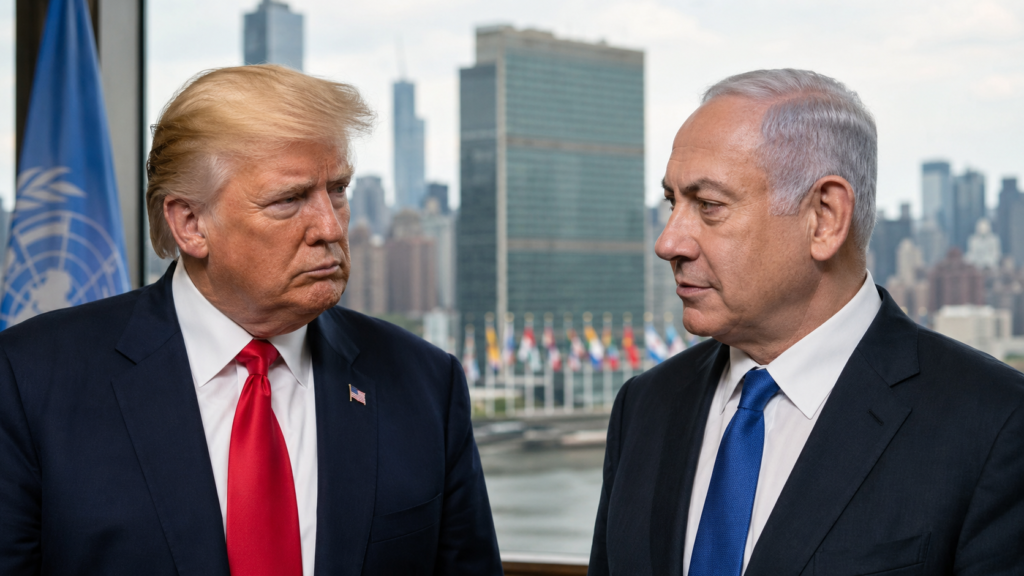
New York Mayor Zohran Mamdani’s comments about enforcing the International Criminal Court warrant against Benjamin Netanyahu prompted a forceful response from President Donald Trump. The legal answer is complicated because an ICC warrant is not automatically enforceable in New York. Federal law, US control over foreign affairs and possible immunity protections create substantial legal barriers.
This article is a news explainer, not legal advice.
Key Takeaways
- New York City could not enforce the ICC warrant on its own without a separate legal basis under US and New York law.
- The ICC issued its warrant on November 21, 2024; it is an accusation, not a criminal conviction.
- The United States is not a member of the ICC and is not automatically required to execute its warrants.
- Federal law generally restricts state and local agencies from providing certain forms of assistance to the ICC, including law-enforcement support, subject to statutory exceptions and legal interpretation.
- Head-of-government and UN-related protections could create additional immunity barriers.
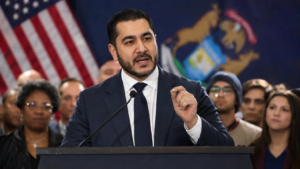
President Donald Trump said on July 20, 2026, that Netanyahu would not be arrested while in the United States. His declaration followed comments by New York City Mayor Zohran Mamdani, who said city lawyers were examining whether an arrest would be legally possible if the Israeli prime minister visits New York for the United Nations General Assembly.
The Netanyahu arrest debate centers on a warrant issued by the International Criminal Court, or ICC, over alleged crimes connected to the Gaza war. Israel denies the allegations and rejects the court’s jurisdiction.
The short answer is no. New York authorities would need a separate legal basis under US law, while federal authority and possible immunity protections create additional barriers.
What Happened?
In an interview published on July 18, 2026, Mamdani said his administration was in an “active conversation” with the New York City Law Department about its authority. He said the city would act only within existing law and would not create a new law specifically to arrest Netanyahu.
On July 20, Trump responded on Truth Social: “Benjamin Netanyahu will not be arrested, in any way, shape, or form, while in the United States of America.” Trump did not name Mamdani in the post, but the statement followed widespread coverage of the mayor’s comments. Reuters reported the statements by Trump and Mamdani.
Israel’s UN ambassador, Danny Danon, said Netanyahu intended to attend the September UN gathering. However, Netanyahu’s final public itinerary had not been confirmed as of July 21, 2026. The UN’s 2026 high-level week is scheduled for September 22 through September 28.
Can New York City Arrest Netanyahu?
Not on the ICC warrant alone. The international warrant does not automatically give the NYPD authority to arrest under New York City or federal law, and the mayor cannot create that authority independently.
The mayor appoints, and may remove, the police commissioner under the New York City Charter. That gives the mayor significant influence over NYPD policy, but it does not allow the mayor to override state or federal law, court procedures or constitutional protections.
Federal law presents an especially significant obstacle. 22 U.S.C. § 7423 prohibits state and local agencies from cooperating with an ICC request or providing “support” to the court. The same chapter defines support as including law-enforcement cooperation, arrest, and detention.
An arrest intended to execute the ICC warrant would therefore appear to fall within that restriction. No court has yet decided this exact Netanyahu–New York scenario, so the final interpretation would likely require litigation.
What Is the ICC Warrant Against Netanyahu?
The ICC is a treaty-based court in The Hague that prosecutes individuals accused of genocide, crimes against humanity, war crimes and aggression.
On November 21, 2024, an ICC pre-trial chamber issued warrants for Netanyahu and former Israeli defense minister Yoav Gallant. The judges said there were reasonable grounds to believe they bore criminal responsibility for the alleged war crime of starvation as a method of warfare and alleged crimes against humanity, including murder, persecution and other inhumane acts.
Those are allegations, not findings of guilt. Netanyahu has not been tried or convicted by the ICC. The court’s current defendant page continues to list him as an accused person with a warrant.
Israel denies committing war crimes, rejects the ICC’s jurisdiction and has described the proceedings as politically motivated and legally invalid. The ICC has rejected several Israeli challenges, although jurisdictional arguments have continued.
For more background, an internal link could point readers to What Is the International Criminal Court?
Is the United States a Member of the ICC?
No. The United States is not a party to the Rome Statute, the treaty that created the ICC. It therefore has no automatic treaty obligation to execute an ICC arrest warrant.
The United States signed the treaty in 2000 but notified the United Nations on May 6, 2002, that it did not intend to become a party. That position appears in the UN Treaty Collection.
U.S. law also limits cooperation with the court. That makes America different from countries that have ratified the Rome Statute and must address ICC cooperation requests under their domestic legal systems.
Can the NYPD Enforce an ICC Arrest Warrant?
An ICC warrant does not automatically authorize an NYPD arrest.
Under New York Criminal Procedure Law, an arrest warrant is a process issued by a domestic criminal court after a criminal case has begun. Police may also arrest without a warrant in circumstances defined by state law, generally when they have lawful grounds to believe a relevant offense was committed.
The ICC document is not a warrant issued by a New York or U.S. federal court. It therefore cannot simply be entered into NYPD systems and executed like a local warrant.
Federal law separately allows the U.S. Department of Justice to investigate certain war crimes when an alleged offender is present in the United States. But that would require a domestic investigation, prosecutorial decision and U.S. court process. It would also raise immunity questions. There is no public indication that the Trump administration is pursuing such a case against Netanyahu.
Could Netanyahu Have Diplomatic Immunity?
Potentially. Netanyahu could invoke more than one form of legal protection, depending on his status and the purpose of his visit.
The U.S. executive branch has previously recognized sitting prime ministers as entitled to status-based head-of-government immunity. American courts traditionally give substantial or controlling weight to a formal federal determination of that status.
UN rules add another layer. The Convention on the Privileges and Immunities of the United Nations gives member-state representatives immunity from personal arrest or detention while performing their UN functions and traveling to and from meetings.
The UN Headquarters Agreement also requires federal, state and local authorities not to obstruct qualifying representatives’ transit to UN headquarters.
Whether every protection applies would depend on accreditation, travel arrangements, official functions and any waiver. The ICC’s statute removes official-capacity defenses before the ICC itself, but that does not automatically eliminate immunities recognized under U.S. domestic law.
An internal link to How Diplomatic Immunity Works would be useful here.
Why Did Trump Intervene?
Trump’s response reflects both political support for Israel and his administration’s opposition to the ICC.
On February 6, 2025, Trump issued an executive order imposing sanctions on the ICC. The order called the Netanyahu and Gallant warrants baseless and emphasized that neither the United States nor Israel is a Rome Statute member.
A presidential social-media statement does not itself decide a legal case. However, Trump’s position matters because the federal government controls diplomatic accreditation, visas, foreign relations and federal law enforcement. It can also make immunity submissions in court.
Those federal powers carry greater legal weight than a city-level policy statement.
What Could Happen If Netanyahu Visits New York?
The most likely outcome under the current federal position is that no arrest attempt occurs. City, federal, Israeli and UN officials would instead coordinate security and diplomatic arrangements.
Other possibilities include a pre-visit legal review, emergency court filings, federal intervention or changes to Netanyahu’s itinerary. Protests and counterprotests would also be possible, requiring extensive NYPD security planning.
These are scenarios, not confirmed plans. Any attempted detention would almost certainly produce immediate litigation over federal preemption, statutory authority, immunity and UN obligations.
Why the ICC and ICJ Are Different
The ICC prosecutes individuals accused of international crimes. The International Court of Justice handles legal disputes between states and is the UN’s principal judicial body.
Both courts are based in The Hague, but they are separate institutions. The Netanyahu arrest warrant came from the ICC—not the ICJ.
Can NYC Arrest Netanyahu?
New York City cannot enforce the ICC warrant by itself. Any arrest would require a separate legal basis under US law and would face federal and immunity-related challenges.
Frequently Asked Questions
Q1. Can New York City arrest Benjamin Netanyahu?
New York City could arrest Netanyahu only if valid domestic legal authority existed. The ICC warrant alone does not automatically provide that authority.
Q2. Can the NYPD enforce an ICC warrant?
The NYPD cannot treat an ICC warrant like a local arrest warrant. It would need a separate legal basis recognized by a New York or federal court.
Q3. Is the United States a member of the ICC?
No. The United States has not ratified the Rome Statute and is not an ICC member. Consequently, the U.S. is not automatically obligated by that treaty to arrest people wanted by the court.
Q4. Does the New York mayor control the NYPD?
The mayor appoints the police commissioner and has significant authority over city policing policy. However, the mayor cannot lawfully order an arrest without a valid legal basis or override state statutes, federal law, constitutional protections and court orders.
Q5. Could diplomatic immunity protect Netanyahu?
Yes, immunity could be a major barrier. As a sitting head of government and potentially an official representative attending a UN meeting, Netanyahu could claim status-based and UN-related protections. Their precise application would depend on the visit and federal determinations.
Q6. Why did the ICC issue a warrant for Netanyahu?
ICC judges said there were reasonable grounds to believe Netanyahu bore criminal responsibility for alleged war crimes and crimes against humanity connected to Gaza. The warrant is not a conviction. Israel denies the allegations and disputes the court’s jurisdiction.
Q7. When could Netanyahu visit New York?
Israel’s UN ambassador has said Netanyahu intends to attend the 2026 UN General Assembly. High-level week is scheduled for September 22–28, 2026, but Netanyahu’s exact arrival, speaking date and travel arrangements had not been publicly confirmed as of July 21.
Conclusion
The dispute between Trump and Mamdani has turned the possibility of a Netanyahu arrest into a prominent political issue, but the legal barriers are substantial. The legal barriers include federal restrictions, possible immunity protections and the absence of an automatically enforceable US arrest order.
Potential head-of-government and UN-related immunity would add further complications. Most importantly, foreign affairs, federal prosecution and diplomatic recognition are primarily federal responsibilities.
The next developments to watch are the New York City Law Department’s review, Netanyahu’s confirmed UN itinerary, any federal guidance and possible court filings. Until then, neither political side can guarantee a particular judicial outcome.
Have you found an error? Contact our editorial team so we can review and correct it.
Sources and Official Further Reading
- ICC case information for Benjamin Netanyahu
- U.S. Code restrictions on ICC cooperation
- UN–United States Headquarters Agreement
- Reuters report on the Trump and Mamdani statements